Post-Arthroscopic Surgery Physical Therapy Process
The physical therapy process following arthroscopic surgery is critical for recovery and functional restoration. This article provides a detailed explanation of the stages and methods applied post-surgery, and how patients can complete the process with maximum benefit.
Arthroscopic surgery is widely preferred in orthopedics as a minimally invasive method for diagnosing and treating intra-articular pathologies. It is particularly used for sports injuries, cartilage damage, meniscal tears, and other problems in joints such as the knee, hip, and shoulder. Following surgery, the physical therapy process is of great importance to fully restore joint function and prevent complications.
The goal during the postoperative recovery period is to reduce pain, increase joint range of motion, restore muscle strength, and enable a safe and timely return to daily activities. To achieve this, staged physical therapy programs are implemented starting immediately after surgery and tailored to the patient’s condition.
Early Physical Therapy Approaches
Physical therapy usually begins within the first few days after surgery, primarily focusing on pain control and swelling reduction. Ice applications, mild elevation, passive and assisted movement exercises are used to promote early joint mobility. The objectives during this stage are to prevent stiffness, enhance circulation to support healing, and maintain joint capsule mobility to avoid adhesions.
Alongside medication for pain management, low-intensity muscle strengthening exercises are initiated under the guidance of a physical therapy specialist. For example, early active use of the quadriceps muscle after knee arthroscopy is critical for functional recovery. In hip arthroscopy, strengthening the muscles responsible for pelvic stability gains importance.
Mid and Advanced Rehabilitation Protocols
After the initial weeks, as pain and swelling subside, the physical therapy program shifts to more active exercises and functional training. Muscle strengthening, proprioceptive training, balance, and coordination exercises are core components of this stage. For athletes, the goal is to facilitate a return to activity while gradually increasing tolerance to joint loading.
By this mid-stage, full joint range of motion is typically restored, and exercise intensity increases according to cartilage healing status. Under physiotherapist supervision, resistance exercises, along with low-impact cardiovascular activities such as walking, cycling, and swimming, are introduced to build strong muscles and joint stability.
During the advanced stage, focus shifts towards returning to sports, work efficiency, and full adaptation to daily activities. For athletes, movement analysis, specialized muscle conditioning programs, and neuromuscular training are employed to enhance performance.
Methods Used in Physical Therapy
Commonly used physical therapy methods post-arthroscopy include manual therapy, ultrasound, electrotherapy, laser therapy, resistance exercises, and proprioceptive exercises.
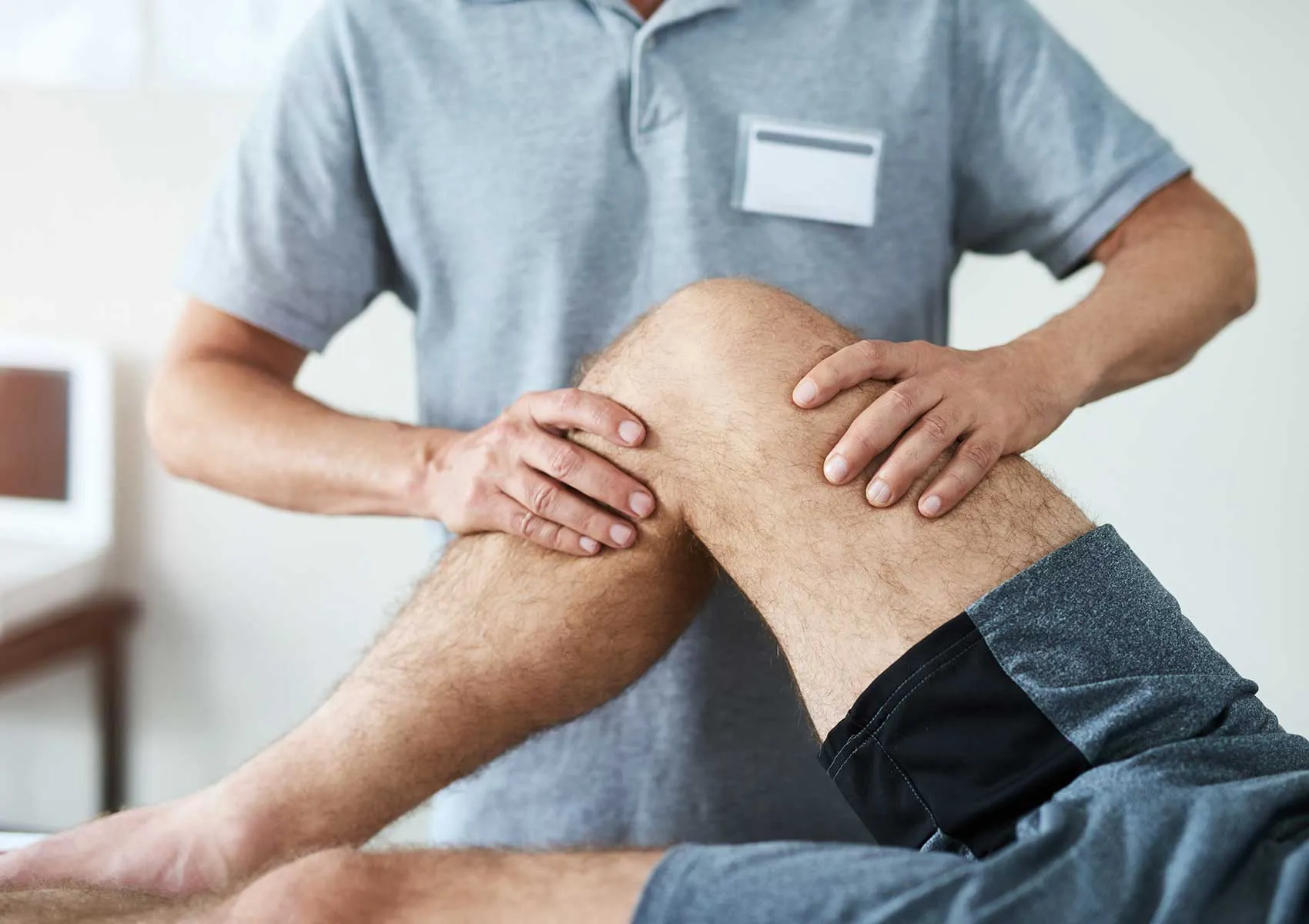
Manual therapy is applied to increase joint range of motion and alleviate pain. Ultrasound and laser devices accelerate tissue healing and reduce inflammation. Electrotherapy supports muscle strengthening.
Exercise programs are personalized according to the patient's pain levels and progressively intensified as recovery proceeds, thereby improving functional capacity and mobility.
Success Criteria of Physical Therapy
Success is evaluated based on pain control, joint range of motion, muscle strength, functional capacity, and quality of life. Regular follow-ups and assessments allow modification of the treatment protocol if necessary.
Effective physical therapy results in early mobility and complete recovery, avoiding complications such as joint stiffness, muscle weakness, or chronic pain. The most significant success indicator is the patient’s return to daily life activities, work, or sports.
Patient Compliance and Quality of Life
Patient motivation and adherence play a critical role in the success of physical therapy. Regular exercise, strict adherence to prescribed movements, and timely medical check-ups positively influence recovery.
Psychological support and patient education are integral parts of the rehabilitation process. Patients should be thoroughly informed about the postoperative course, the importance and effectiveness of exercises, and should maintain realistic expectations.
Thus, the physical therapy process after arthroscopic surgery contributes significantly to improving the patient’s quality of life and achieving a healthy functional recovery through a multidisciplinary approach. Especially in athletes, rapid full recovery and performance restoration are possible.
FAQ
-
When should physical therapy start after arthroscopic surgery?
Physical therapy typically begins within the first few days after surgery, starting with pain control and gentle movements, which are gradually intensified to accelerate healing.
-
How long does the physical therapy process last?
The duration varies depending on the type of surgery, the patient’s age, overall health, and the extent of the procedure. It generally ranges from six weeks to several months.
-
What should be considered during physical therapy?
Patients should avoid exercises that increase pain, consistently follow the prescribed program, and attend all recommended medical check-ups.
-
When can athletes return to sports after physical therapy?
The return to sports depends on the severity of the injury and the healing progress. Typically, a controlled and gradual return is possible within 3 to 6 months.
-
Is recovery possible without physical therapy after arthroscopic surgery?
Partial recovery is possible; however, physical therapy is crucial for maintaining joint range of motion and regaining muscle strength. Without it, full functional recovery is difficult, and the risk of complications increases.