
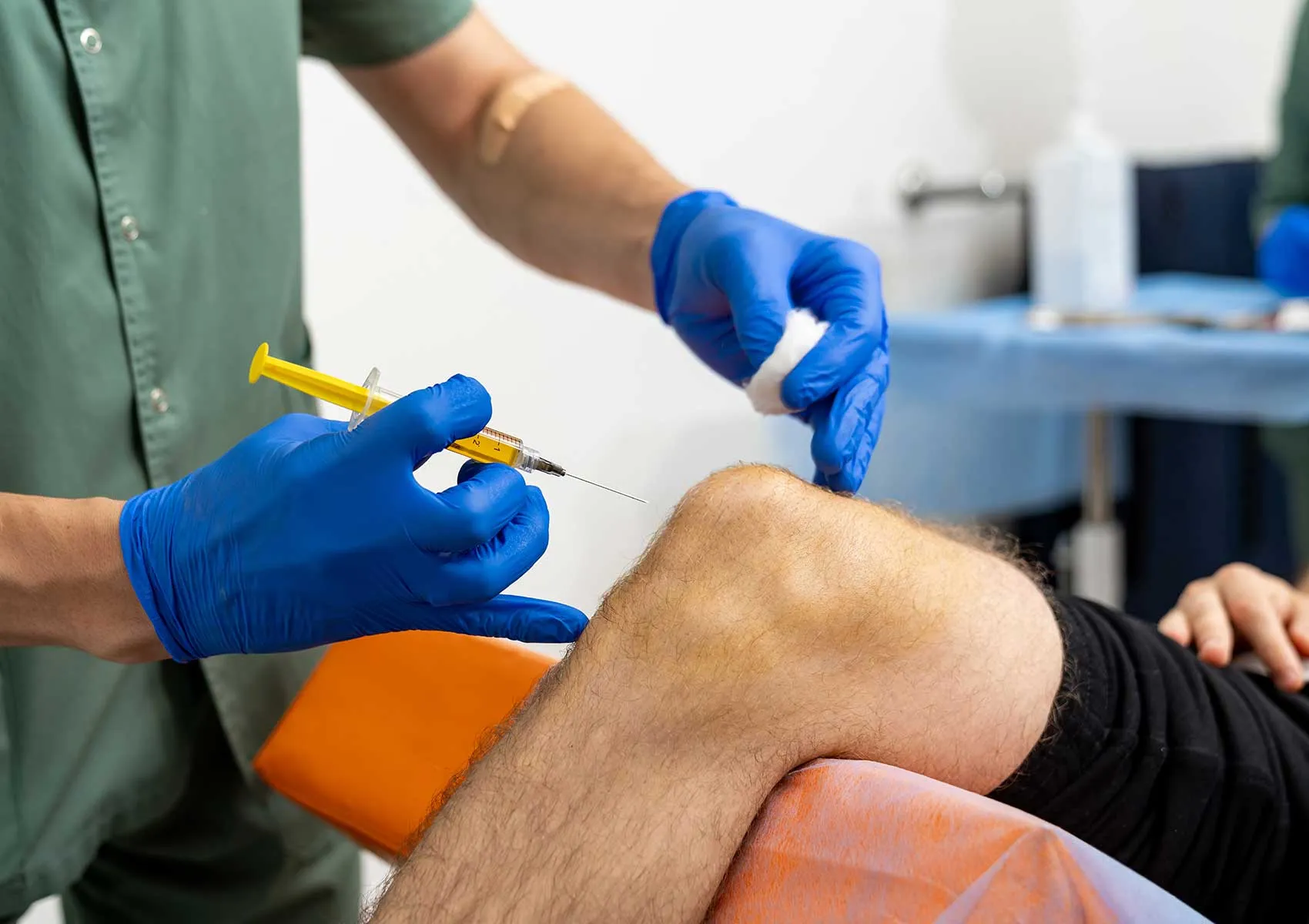
Joint Preserving Surgeries and PRP/Stem Cell Compatibility
Joint preserving surgeries aim to maintain joint function by preserving its structure as much as possible. PRP and stem cell therapies are modern regenerative methods that complement these surgeries to support healing within the joint. This article explores the compatibility of joint preserving surgeries with PRP and stem cell therapies, their role in clinical practice, and their impact on patient outcomes in detail.
Joint diseases and injuries have shown increased prevalence, particularly among athletes and individuals over middle age. Prior to resorting to conventional joint replacement surgeries, treatment methods emphasizing joint preservation and maintaining structural integrity have come to the forefront. Joint preserving surgeries encompass cartilage repair, meniscus operations, anterior cruciate ligament reconstructions, and correction of certain deformities in the hip and knee joints. Recently, cell-based therapies such as PRP (Platelet Rich Plasma) and stem cell treatments have begun to be integrated to enhance the success of these surgical approaches.
Fundamental Principles of Joint Preserving Surgeries
The goal of joint preserving surgeries is to maintain the anatomical structure of joint surfaces as much as possible using minimally invasive techniques, ensuring mechanical stability. Arthroscopy is the most commonly employed method in these surgeries. Common procedures include repairing meniscal tears, surgically debriding cartilage defects, or performing joint resurfacing treatments such as microfracture. Similar strategies are applied in hip joint treatments, including femoroacetabular impingement (FAI) correction and labrum repairs.
Success depends not only on precise surgical technique but also on the presence of a biologic environment that promotes joint healing. Healing on the joint surface after traditional surgery may be inadequate due to limited cellular capacity, which can predispose to osteoarthritis in the long term.
Contribution of PRP and Stem Cell Therapy to Joint Health
PRP is platelet-rich plasma obtained from the patient’s own blood. Its content of growth factors such as PDGF, TGF-β, and VEGF exhibits anti-inflammatory properties and accelerates tissue regeneration. Stem cell therapy, particularly via mesenchymal stem cells, offers hope for reconstruction of damaged cartilage and other joint tissues. The multipotent nature of stem cells enables differentiation into chondrocytes when provided appropriate signals.
These biological treatments are effective in controlling postoperative inflammation, supporting cartilage regeneration, and enhancing local tissue healing. For example, PRP application in meniscal repair can increase vascularization and healing speed of the meniscus. Stem cell therapy following cartilage microfracture can improve fibrocartilage maturation and tissue quality.
Integration of Surgical and Regenerative Treatment Methods
Recently, the integration of surgical and biological therapies has yielded significant outcomes in orthopedics. Especially in knee and hip joint surgeries, PRP or stem cell injections may be administered before, during, or after surgery to optimize healing processes.
For this combination to succeed, the surgeon must correctly determine surgical indications and carefully evaluate the patient’s systemic and local conditions. For example, PRP use during arthroscopic anterior cruciate ligament repair or reconstruction supports biological healing of the ligament, while simultaneously administered stem cell therapies may reduce degenerative changes in joint cartilage.
Patient Selection and Treatment Protocols
Although PRP and stem cell therapies are promising, clear identification of the ideal patient and indications is crucial. Factors influencing treatment success include the size of cartilage damage, patient age, general health status, and the degree of joint deterioration. In patients with advanced osteoarthritis, combined joint preserving surgery and biological treatment often may be insufficient; joint replacement surgery may be considered in these cases.
Treatment protocols vary depending on patient condition but generally include PRP injections prior to or immediately following surgery, while stem cell therapy is applied intermittently after surgery to support tissue remodeling. Comprehensive rehabilitation and physiotherapy programs play a key role in enhancing treatment outcomes.
Future Research and Clinical Applications
The integration of regenerative medicine with joint preserving surgeries is continuously evolving. Research is focusing on new generation biomaterials, gene therapies, and more effective stem cell isolation and application techniques. Additionally, personalized treatment planning based on genetic and molecular biology approaches is gaining popularity.
Clinical studies continue analyzing long-term results; many demonstrate that PRP and stem cell therapies shorten postoperative recovery times and support preservation of joint function. However, more extensive randomized controlled trials are still needed before these methods become standard treatment protocols.
The synergistic use of modern regenerative approaches in joint preserving surgeries can significantly improve patients' quality of life. Therefore, keeping up with current literature and fostering multidisciplinary collaboration are essential.
FAQ
-
What is joint preserving surgery and who is it suitable for?
Joint preserving surgery refers to surgical methods aimed at treating joint conditions while preserving the joint’s structure as much as possible. It is generally suitable for middle-aged athletes and individuals with limited damage in the knee or hip joints. The goal is to sustain joint function and reduce the risk of long-term osteoarthritis.
-
How are PRP and stem cell therapies used in joint surgery?
PRP, a plasma rich in growth factors, reduces inflammation and accelerates healing. Stem cells play a role in tissue regeneration. These biological agents can be applied during or after surgery to support faster and higher-quality healing of the joint surface.
-
Are there any side effects of these treatments?
Since PRP and stem cell treatments are derived from the patient’s own tissues, they generally do not cause allergic or immunologic reactions. However, localized side effects such as infection risk and pain at the application site may rarely occur.
-
Can PRP and stem cell therapies be used for all joint patients?
No, in patients with advanced osteoarthritis, severe deformities, or systemic diseases, these treatments may be insufficient. Hence careful patient evaluation and appropriate indication are necessary.
-
Do PRP and stem cell treatments shorten recovery time after surgery?
Yes, research shows that these biological therapies reduce inflammation after surgery and promote faster tissue repair, leading to shorter recovery times. However, healing duration may vary depending on the patient and treatment protocol.