
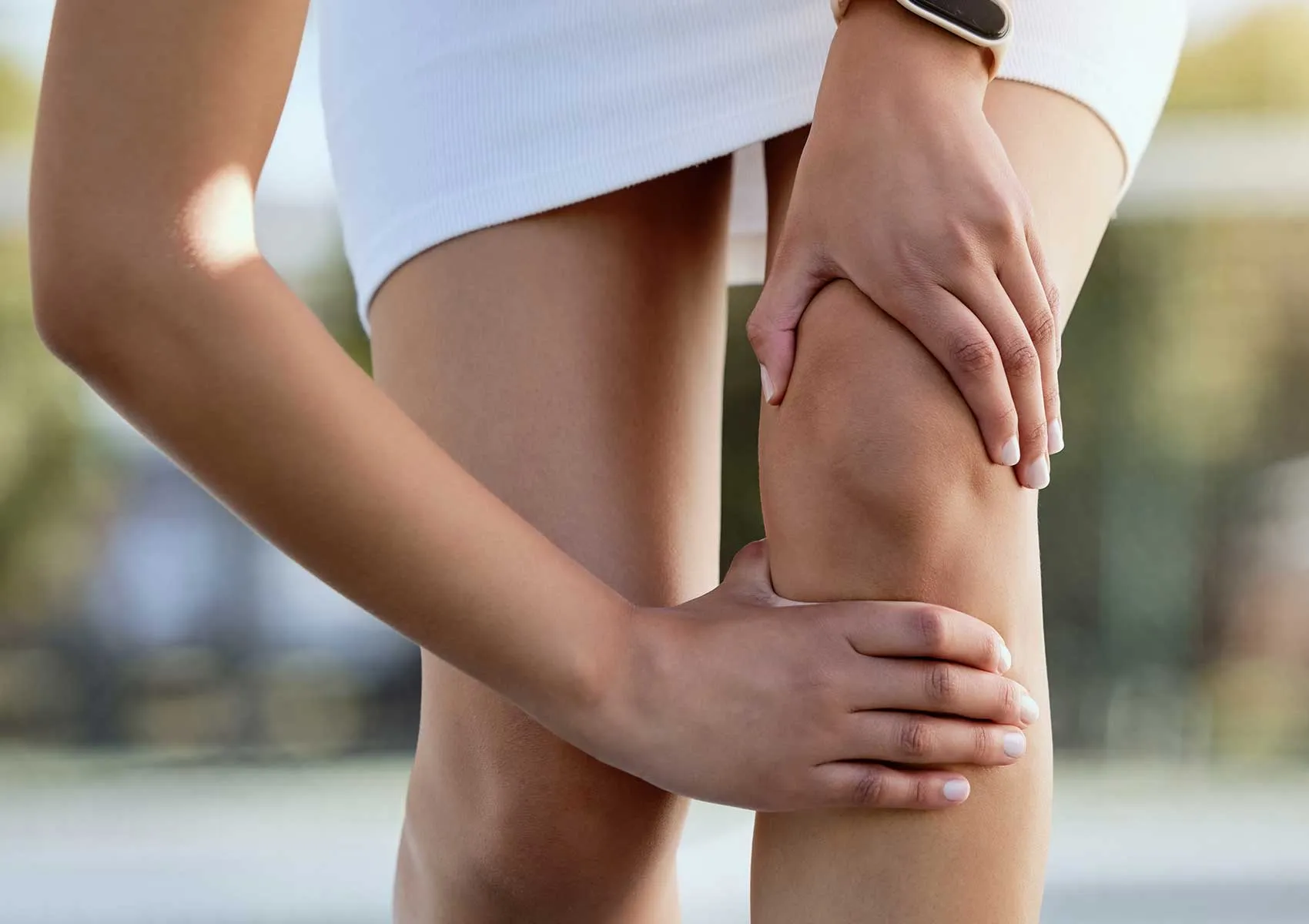
ACL Surgery: Complete Guide from Diagnosis to Sports Recovery
Anterior cruciate ligament reconstruction is the primary treatment method to restore knee stability, especially in active athletes.
Anterior cruciate ligament (ACL) injuries are common serious knee problems, especially among athletes and physically active individuals. The ACL, which is one of the primary stabilizers of the knee joint, when torn, can lead to movement limitations and feelings of instability. Anterior cruciate ligament surgery is a surgical procedure aimed at restoring this functional loss and helping patients return to their previous activity levels.
This process encompasses more than just surgery; it involves accurate diagnosis, meticulous surgical planning, and disciplined rehabilitation. Among sports injuries encountered in active individuals, ACL injuries require significant patience and care during treatment. This guide reviews the entire process, from anatomical structures to surgical techniques and criteria for return to sport, underpinned by scientific evidence.
What is the Anterior Cruciate Ligament and What Is Its Function?
The anterior cruciate ligament (ACL) is a strong connective tissue located in the center of the knee joint, connecting the thigh bone (femur) to the shin bone (tibia). Its primary role is to prevent the tibia from sliding excessively forward relative to the femur and to provide rotational stability to the knee. The integrity of the ACL is critical for safe knee movement during sudden stops, changes in direction, and jumps.
The knee's anatomy is complex, and the ACL functions along with the posterior cruciate ligament as a “pivot” for knee movements. Injury to this ligament causes not only mechanical instability but also reduces the knee’s proprioceptive capabilities (sense of joint position). Distinguishing ACL injuries from other knee joint disorders requires a clear understanding of anatomy.
How Is an Anterior Cruciate Ligament Tear Recognized?
ACL tears typically occur due to sudden trauma, twisting motions, or a direct blow to the knee. Many patients report hearing or feeling a “pop” at the time of injury. Subsequently, rapid swelling (hemarthrosis), severe pain, and inability to bear weight may develop. However, in some cases, pain may subside over time, which can delay treatment.
Physical examination is crucial for diagnosis. Physicians assess knee laxity using specific maneuvers such as the Lachman test and Anterior Drawer test. Magnetic Resonance Imaging (MRI) is the gold standard to confirm diagnosis and detect associated meniscal or cartilage injuries. X-rays are used primarily to exclude bone fractures.
Treatment Options: When Is Surgery Necessary?
Treatment for ACL injuries is not uniform for every patient; factors such as age, activity level, and patient expectations are important determinants. Not every tear requires surgery. Conservative treatments focused on physical therapy and muscle strengthening may be appropriate for older, sedentary individuals without knee instability.
However, surgical treatment is preferred for active individuals aiming to return to sports, those with instability or giving-way sensations, or with concomitant meniscal tears. Untreated ACL instability may predispose the knee to long-term cartilage damage and osteoarthritis. In certain cases where malalignment exists, corrective bone procedures like osteotomy may be performed alongside ligament reconstruction.
How Is Anterior Cruciate Ligament Surgery Performed?
Currently, ACL reconstruction is performed arthroscopically (minimally invasive). This technique involves inserting a camera and surgical instruments through small incisions, minimizing damage to surrounding tissues. The principle is not to repair the torn ligament directly, because its natural healing potential is limited, but to replace it with a new graft tissue — a procedure known as reconstruction.
Autografts, tendons harvested from the patient’s own body, are most commonly used. The hamstring tendons or patellar tendon are frequently chosen. Allografts (tendons from donors) are used less often. The surgeon secures the prepared graft by creating tunnels in the femur and tibia bones.
Postoperative Recovery and Rehabilitation
Half of surgical success depends on technique; the other half relies on an effective rehabilitation program. Recovery begins immediately after surgery. Initial focus is controlling swelling and performing passive range-of-motion exercises. Patients typically use crutches for several weeks and wear a knee brace with adjustable angles.
Rehabilitation after sports injuries should be personalized. The first 3 months are critical for graft incorporation and biological maturation (ligamentization). Excessive loading should be avoided during this time. After 3 months, running exercises may begin gradually, and sport-specific training starts around the 6th month.
Return to Sport: Timing, Criteria, and Risks
The decision to return to sport should be based on functional test outcomes rather than calendar time alone. Literature generally recommends 9-12 months before returning. Early return increases risk of graft re-rupture and contralateral knee injury.
Criteria for return include pain-free full range of motion, quadriceps strength at least 90% of the healthy side, and balance without issues during jump tests. Psychological readiness (ability to move without fear) is as important as physical criteria. A cautious and well-planned return to post-ACL surgery sport life is essential to sustain athletic careers. For more detailed timing information, see when should injured athletes return to sport?.
Complications and Risk Factors
As with any surgical procedure, ACL reconstruction carries potential risks. Although rare, infection, vascular or nerve injury, and anesthesia-related complications may occur. One of the more common orthopedic issues is knee stiffness (arthrofibrosis), which can be prevented with consistent physical therapy.
Graft failure or re-tear is another significant risk, often due to surgical technical errors, incorrect tunnel placement, or premature return to sport ignoring rehabilitation protocols. Smoking is also a factor that impairs tissue healing and increases complication risk.
Common Exercise Mistakes and Injury Prevention
Incorrect exercises during recovery or preventive phases can increase the load on the knee. Valgus movement — inward collapse of the knee — is particularly detrimental to the ACL. During exercise, the knee should remain aligned with the toes.
Muscle imbalances, such as strength differences between quadriceps and hamstrings, raise injury risk. Therefore, training should include not only strengthening but also proprioception and balance work. Understanding common exercise errors in athletes is crucial to prevent initial injuries and recurrences.
When managed properly by experienced professionals and with disciplined care, ACL surgery effectively restores quality of life and sports performance. Maintaining communication with your physician throughout the process is the safest way to secure a healthy future.
This content is intended for informational purposes only and should be reviewed by a qualified medical professional or physiotherapist. The information provided must be based on scientific evidence and clearly referenced. It is not a substitute for professional medical advice. Always consult a healthcare provider for diagnosis and treatment. Do not delay seeking medical care based on the information presented here.
FAQ
-
How can you tell if the anterior cruciate ligament (ACL) is torn?
It usually presents as pain, swelling, and a feeling of instability in the knee, often after a sudden twist or fall. Diagnosis involves physical examination, X-rays, and MRI imaging. It is important to consult an orthopedic specialist for an accurate diagnosis.
-
How long does ACL surgery take and how is it performed?
The surgery typically lasts 1-2 hours and is done arthroscopically with minimal incisions. A new ligament is created using a tendon graft taken either from the patient's own body (autograft) or from a donor (allograft).
-
How long is the recovery period and physical therapy after surgery?
Recovery varies between individuals but generally takes 6-9 months or longer. Physical therapy begins immediately after surgery to restore knee mobility, strength, and stability. Regular exercises under the supervision of a qualified physiotherapist are essential.
-
When can I return to sports after ACL surgery?
Return to sports usually occurs 9-12 months or later, depending on the individual's recovery and the type of sport. It is possible once criteria such as knee stability, strength, coordination, and psychological readiness are met, along with medical approval.
-
What are the risks and potential complications of ACL surgery?
As with any surgery, there are risks including infection, bleeding, nerve damage, knee stiffness, or graft failure. Following your doctor's instructions carefully helps minimize the risk of complications.