
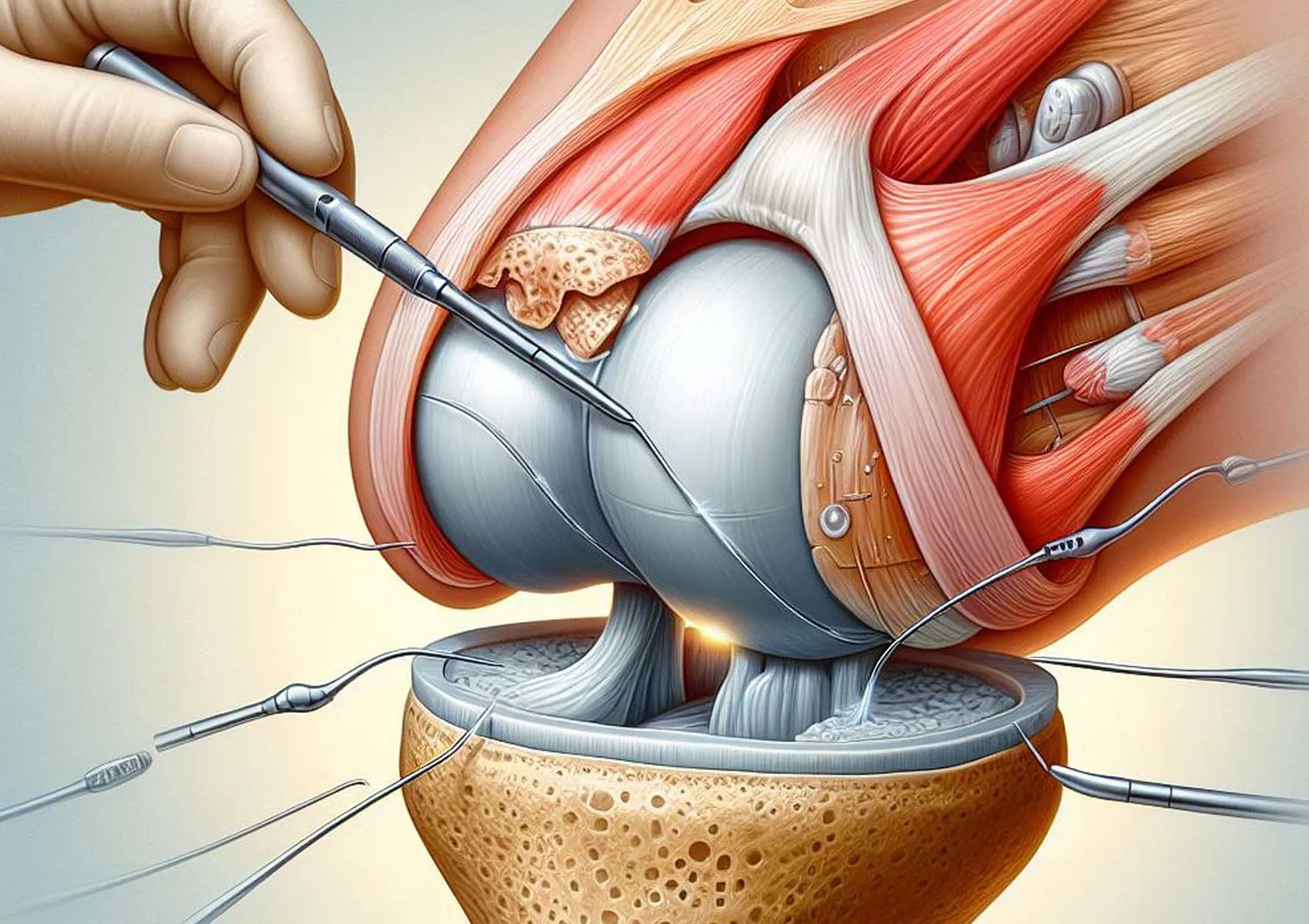
Meniscus Root Repair: Advanced Treatment for Knee Tears
Meniscus root repair is an advanced surgical technique used to fix tears where the meniscus attaches to the bone.
Meniscus root repair is a specialized surgical procedure aimed at preserving the long-term health and function of the knee joint. The menisci are vital structures that balance the load on the knee and protect the cartilage surfaces. However, tears occurring at the roots—where the meniscus attaches to the tibia—can lead to complete loss of meniscal function. This creates a "meniscus-deficient" effect in the knee, accelerating cartilage degeneration.
Modern orthopedic surgery favors repairing the meniscus rather than removing it (meniscectomy). Root tear repairs focus on restoring knee biomechanics and reducing the risk of future osteoarthritis. This article reviews the details of the meniscus root repair procedure, patient eligibility, and recovery phases based on scientific evidence.
What Is a Meniscus Root Tear?
A meniscus root tear refers to a rupture at the point where the meniscus attaches to the tibia bone. This type of tear severely compromises the meniscus’s load-bearing capacity by disrupting its integrity. For detailed resources, visit the meniscus root repair information page.
Anatomical Structure of the Meniscus
Each knee contains two crescent-shaped cartilages—the medial and lateral menisci—that act as cushions distributing forces across the joint surfaces. The meniscus roots anchor the anterior and posterior ends of this "C"-shaped structure firmly to the bone. These attachment points keep the meniscus in place and prevent it from displacing outward under load (extrusion).
How Root Tears Differ from Other Meniscus Tears
Root tears differ biomechanically from tears in the meniscus body. When the root detaches, the meniscus can no longer transfer load effectively, increasing joint contact pressure by approximately 25%. This accelerates cartilage damage much faster than other types of tears.
What Is Meniscus Root Repair?
Meniscus root repair involves surgically reattaching the torn root back to the bone using specialized techniques. The goal is to restore the meniscus’s anatomical position and function. For more information, see the meniscus root repair surgery page. It is also helpful to review general arthroscopic meniscus repair methods.
Arthroscopic Surgical Techniques
This surgery is typically performed arthroscopically, a minimally invasive technique involving small incisions through which a camera and surgical instruments are inserted. Refer to knee arthroscopy procedure details for further information.
Meniscus Stitching and Fixation Methods
The most common technique is the "transosseous tunnel" method. Sutures are placed through the torn meniscus root and passed through tunnels drilled into the tibia, then secured on the outer bone surface either by tying knots or using specialized button fixation devices. This fixation ensures firm contact of the meniscus root with its bony attachment site, facilitating biological healing.
Who Is a Suitable Candidate for Meniscus Root Repair?
Not all meniscus root tears are suitable for repair. Ideal candidates are usually younger, active individuals without advanced cartilage damage (osteoarthritis), with correct mechanical alignment in the leg. Treatment decisions consider patient age, activity level, and overall knee condition. Those with significant arthritis or severe limb alignment deformities may require alternative therapies. See meniscus root tear treatment for more.
Postoperative Recovery and Rehabilitation
Success after meniscus root repair depends as much on adherence to rehabilitation as on the surgical technique. Recovery requires patience and discipline. A personalized post-repair rehabilitation program is essential.
Physical Therapy Phases
During the first 4-6 weeks, weight-bearing on the operated knee is limited to protect the healing meniscus-bone attachment, and crutches are recommended. Range of motion exercises are also restricted during this period. After the sixth week, gradual weight-bearing and range of motion exercises begin.
Return to Sports
Returning to daily activities generally takes 3-4 months, while resuming activities involving running and jumping may require up to 6 months. The final decision for return to sports depends on muscle strength tests and functional assessments performed by the physician.
Risks and Benefits of Meniscus Root Repair
The primary benefit of this surgery is preserving the knee’s natural biomechanics, which may delay or prevent total knee replacement. It also aims to reduce pain and improve functional capacity. However, like all surgeries, risks include infection, neurovascular injury, or failure of the repair to heal. Scientific literature (PubMed, AAOS) supports superior long-term outcomes of root repair compared to meniscectomy in appropriate patients.
Supportive Biological Therapies
Since meniscus tissue has limited blood supply, biological treatments can support healing. Regenerative medicine techniques like PRP and stem cell therapies may be applied during or after surgery to accelerate tissue repair by concentrating the body’s own healing cells at the injury site.
Meniscus root repair is a critical intervention for maintaining knee health. With correct diagnosis, expert surgical treatment, and disciplined rehabilitation, patients can often return to active lifestyles.
The content provided is for informational purposes only and contains general medical information. Diagnosis and treatment should be determined by a qualified healthcare professional after a thorough examination. The information on this site does not substitute professional medical advice, diagnosis, or treatment. Always consult a qualified healthcare provider regarding any health concerns and do not delay seeking professional care.
FAQ
-
What is meniscus root repair and why is it important?
Meniscus root repair is a surgical procedure that fixes tears where the meniscus attaches to the bone in the knee. It helps preserve the meniscus’s shock-absorbing function and prevents future cartilage damage. Consult a specialist regarding your individual health condition.
-
Who is a suitable candidate for meniscus root repair?
Typically, young and active individuals diagnosed with a meniscus root tear who experience knee instability or pain are considered suitable candidates. It's important to have a thorough evaluation by an orthopedic specialist to determine if this treatment is right for you.
-
How is meniscus root repair surgery performed?
The surgery is usually done arthroscopically, involving small incisions in the knee through which a camera and specialized instruments are inserted. The torn meniscus tissue is then securely reattached to the bone using specific techniques.
-
How long does the recovery process take after surgery?
Recovery varies per individual, but protecting the knee and following a prescribed physical therapy program during the first few weeks is crucial. Full recovery and return to sports can take several months. Adhering to your doctor’s personalized rehabilitation plan is essential.
-
What are the potential risks and benefits of meniscus root repair?
Benefits include preserving knee function, reducing pain, and lowering the risk of future cartilage degeneration. Like all surgeries, there are potential risks such as infection, bleeding, or occasionally re-tearing. It is vital to discuss detailed information with a specialist before making a decision.