
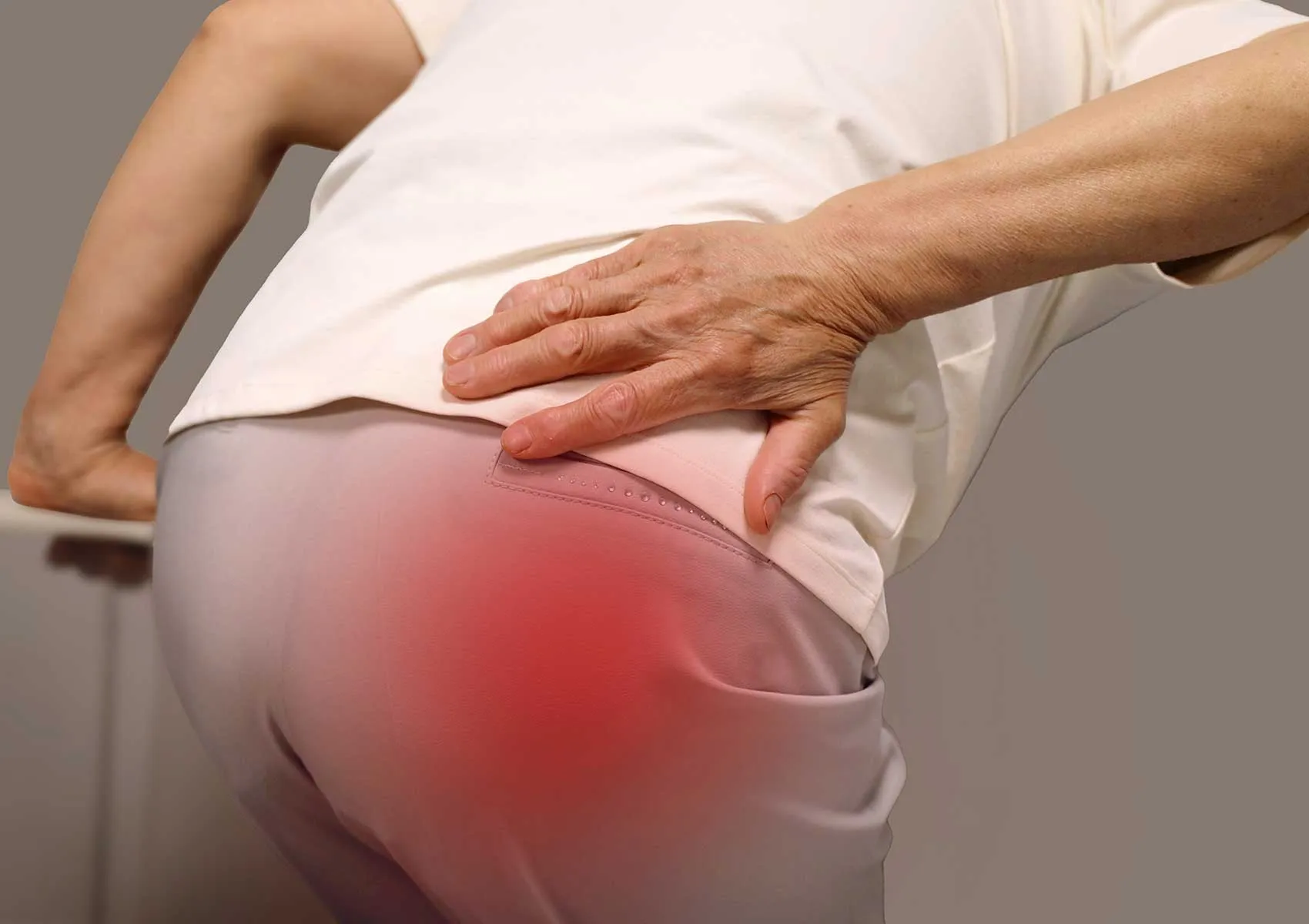
Femoroacetabular Impingement (FAI): Causes and Diagnosis
Femoroacetabular impingement (FAI) is a mechanical issue caused by abnormal shaping of the hip joint bones, leading to pain.
Hip pain is a common complaint that can significantly affect quality of life, especially in young and active individuals. One important mechanical cause of this pain is femoroacetabular impingement (FAI). This condition arises from a mismatch between the femoral head (the ball at the top of the thigh bone) and the acetabulum (the hip socket). Due to abnormal bone formation, repeated contact and pinching occur during joint movement. Over time, this damages soft tissues like the labrum and cartilage, resulting in pain and limited mobility.
This article will cover what femoroacetabular impingement is, its anatomical types, symptoms, diagnostic methods, and current treatment options. Understanding FAI is critical for early diagnosis and appropriate treatment planning.
What is Femoroacetabular Impingement (FAI)?
FAI is an anatomical mismatch in the ball-and-socket joint of the hip. In a healthy hip, the femoral head moves smoothly within the acetabulum. In FAI, excess bone growth either on the femoral head or acetabular rim causes abnormal contact during hip movements. This abnormal contact damages sensitive structures inside the joint, such as the labrum (the cartilage ring around the socket) and the articular cartilage. This condition is an important consideration among other hip joint disorders.
Types of FAI: Cam, Pincer, and Mixed
Femoroacetabular impingement is classified into three main types based on the location of the bony abnormality. Correctly identifying the type is vital for treatment planning.
- Cam Impingement: Characterized by excess bone formation at the junction of the femoral head and neck, disrupting the spherical shape of the femoral head. During hip flexion, this bony prominence impinges against the acetabular rim, damaging the labrum and cartilage. This type is more common among young, active males.
- Pincer Impingement: Originates from overcoverage of the femoral neck by an abnormally shaped acetabulum. The extra bone on the acetabular rim causes early contact with the femoral neck during movement, crushing the labrum. This type occurs more frequently in middle-aged, active females.
- Mixed Type: A combination of Cam and Pincer deformities. According to studies published by the National Center for Biotechnology Information (NCBI), the majority of FAI cases are mixed type, making it the most common form.
Symptoms of Femoroacetabular Impingement
Symptoms of hip impingement usually develop gradually and may worsen over time. The most common symptom is a deep, sharp pain felt in the groin or front of the hip. This pain can be triggered or exacerbated by certain activities, including:
- Prolonged sitting or getting in and out of a car
- Squatting or deep hip bending
- Sports involving twisting or rotational movements
- Climbing stairs or walking uphill
In addition to pain, patients may experience catching, locking, or clicking sensations in the hip joint. Over time, reduced range of motion and stiffness can develop. These symptoms align with descriptions by reputable sources like the Mayo Clinic. They also highlight FAI as a significant cause among various hip pain etiologies. Furthermore, the impact of hip impingement on daily life can notably reduce patient quality of life.
How is FAI Diagnosed?
Diagnosing femoroacetabular impingement involves the patient’s medical history, a detailed physical exam, and imaging studies. During the physical exam, the doctor assesses hip range of motion and performs specific tests that provoke impingement-related pain. The FADIR test (hip flexion, adduction, and internal rotation) is commonly used to detect impingement.
Imaging verifies physical findings and evaluates bony anatomy in detail:
- X-ray (Radiograph): Standard imaging viewed from multiple angles to detect Cam or Pincer deformities is the cornerstone of diagnosis.
- Magnetic Resonance Imaging (MRI): Provides detailed images of bone as well as soft tissues such as the labrum and cartilage. MRI is particularly useful for assessing labral tears or cartilage damage.
Professional organizations like the American Academy of Orthopaedic Surgeons (AAOS) emphasize the importance of combining physical examination with imaging for accurate diagnosis.
Treatment Options for FAI
Treatment for FAI is tailored based on symptom severity, patient age, activity level, and degree of joint damage. Approaches generally fall into non-surgical and surgical categories.
Non-Surgical Treatment:
For patients with mild symptoms or those not suitable for surgery, initial management typically includes:
- Activity Modification: Avoidance of movements and sports that trigger pain.
- Physical Therapy: Strengthening muscles around the hip, increasing flexibility, and improving joint mechanics.
- Medication: Anti-inflammatory drugs may be used to control pain and inflammation.
- Intra-articular Injections: Local anesthetics or corticosteroids injected into the joint can be used diagnostically or for temporary relief.
Surgical Treatment:
Surgery is considered for patients not responding to conservative measures or with significant structural damage. The goal is to correct abnormal bone shapes causing impingement and repair injured labral or cartilage tissue. Hip arthroscopy is now the most common technique. This minimally invasive surgery involves small incisions through which a camera and instruments are inserted to shave bone prominences and repair the labrum. Further information on the arthroscopic treatment of femoroacetabular impingement can aid understanding. In some cases, alternative techniques like osteotomy may be required. For more details, visit the Femoroacetabular Impingement information page.
What Happens if FAI is Untreated?
If left untreated, ongoing mechanical friction and impingement in the hip joint persist. This leads to progression of labral tears and cartilage damage. Cartilage degeneration reduces the cushioning ability of the joint and causes bone-on-bone contact.
The most important long-term consequence is an increased risk of early-onset osteoarthritis of the hip. Osteoarthritis is a degenerative disease causing chronic pain, stiffness, and loss of joint function. Early diagnosis and appropriate management of FAI are therefore crucial to preserve hip joint health and prevent serious complications.
Prevention and Risk Factors of FAI
The bony abnormalities causing femoroacetabular impingement are primarily developmental and strongly influenced by genetic factors. Because of this, full prevention may not be possible. However, evidence suggests that individuals involved in high-intensity, repetitive hip movements, especially during growth phases, may have increased risk. Measures to prevent symptom onset or worsening include awareness of common exercise errors in athletes, practicing proper training techniques, and avoiding activities that provoke hip pain. Strengthening core and hip muscles can reduce joint load and serve a protective role.
Femoroacetabular impingement (FAI) is a structural mismatch of the hip joint that can cause pain and functional impairment, particularly in active individuals. It has distinct types—Cam, Pincer, and Mixed—with diagnosis relying on careful clinical and imaging assessment. Treatment aims to relieve symptoms, repair joint damage, and prevent osteoarthritis development. Both conservative measures and minimally invasive surgical options like hip arthroscopy are available. If you experience persistent hip pain or limited mobility, consulting an orthopaedic specialist is important for accurate diagnosis and customized care.
The content on this website is provided for general informational purposes only and is not intended to replace professional medical advice, diagnosis, or treatment. Always seek the advice of your physician or other qualified healthcare provider with any questions you may
FAQ
-
What is FAI and how does it occur?
FAI is a condition characterized by abnormal growth or shaping of the bones in the hip joint, causing the joint to become compressed. It typically affects young, active individuals and can eventually lead to labral tears.
-
What are the symptoms of femoroacetabular impingement syndrome?
The most common symptom is pain in the hip joint, especially during movement. Discomfort may be experienced during activities like sitting, squatting, or walking for long periods. Limited range of motion and a catching sensation may also occur.
-
How is FAI diagnosed?
Diagnosis is made through physical examination, patient history, and imaging techniques such as X-rays and MRI. A thorough evaluation by a specialist is crucial for an accurate diagnosis.
-
Are there different types of FAI?
Yes, FAI is generally classified into three main types: Cam type (excess bone on the femoral head), Pincer type (excess bone on the acetabular rim), and Mixed type (features of both). Each type has distinct anatomical characteristics.
-
What happens if FAI is left untreated?
If untreated, repeated impingement can lead to progression of labral tears and cartilage damage. Over time, this increases the risk of early wear and osteoarthritis in the hip joint, making early diagnosis and treatment important.