
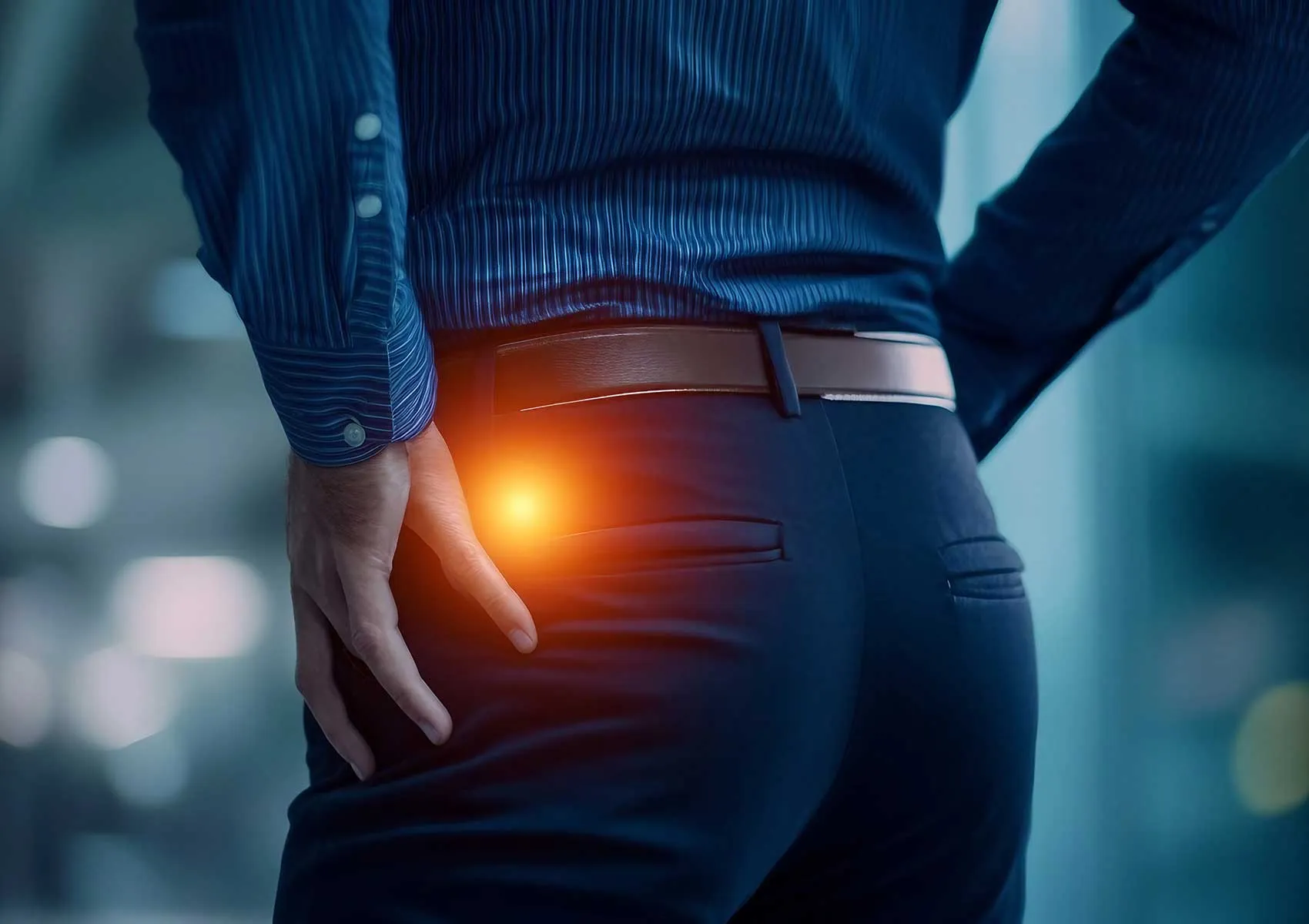
Hip Labrum Tear Symptoms: What to Watch for Early Diagnosis
Symptoms of hip labral tears usually include groin pain, joint catching, and restricted movement.
The hip joint is one of the most mobile and load-bearing joints in the body. An important structure that contributes to its stability is the cartilage known as the labrum. However, this tissue can be damaged due to sports injuries, structural abnormalities, or trauma. Symptoms of a hip labral tear often develop gradually and can eventually affect a person’s quality of life.
Patients commonly report deep pain in the groin area, discomfort during walking or sitting, and clicking or popping sensations from the joint. Recognizing these symptoms early can directly influence treatment success and the preservation of joint health. This article examines the anatomical basis, symptoms, and diagnostic methods of labral tears from a scientific perspective.
Anatomy of the Hip Labrum
The hip joint is a ball-and-socket joint between the femoral head and the acetabular socket of the pelvis. The labrum is a ring of fibrocartilage that surrounds the rim of the acetabulum, acting as a seal. Its primary functions are to deepen the socket for better femoral head stability and to maintain joint fluid seal, supporting cartilage nutrition.
Damage to the labrum can impair joint stability and alter load distribution. For more detailed information, visit Hip Labrum Anatomy and Tears. Disruption of anatomical integrity may eventually lead to cartilage wear.
What Is a Hip Labral Tear?
A hip labral tear involves damage or detachment of the cartilage ring (labrum) surrounding the acetabulum. It may result from acute trauma such as a sudden twisting injury during sports, or develop gradually through repeated microtrauma. Structural issues like femoroacetabular impingement (FAI), where bone deformities cause pinching between the femoral head and acetabulum, are common contributing factors.
Symptoms of Hip Labral Tear
Not all labral tears produce symptoms; however, when symptomatic, they may significantly limit daily activities. Symptoms generally involve a combination of mechanical problems and pain. These can overlap with those seen in femoroacetabular impingement (FAI) symptoms and treatment.
Pain Type and Location
The most frequent complaint in labral tears is pain. This pain is typically described in the "C-sign" area, where patients place their hand in a C shape over the side of the hip to indicate the location. The most typical site is the deep groin area. Patients may describe the sensation as sharp, deep, or aching.
Pain may also radiate to the front of the thigh or the lateral side of the hip (trochanteric region), and less commonly to the buttock (gluteal area). Prolonged sitting, exiting a car, crossing legs, or twisting movements during sports often exacerbate the pain.
Catching, Locking, and Clicking
Mechanical symptoms are important indicators of labral tears. When a torn fragment lodges inside the joint, patients may experience a catching or locking sensation during hip movements.
Additionally, clicking sounds or snapping sensations when moving the hip are common. These sounds often accompany pain and indicate an internal joint mechanical issue. Not all clicks signal a labral tear, but painful clicks should be evaluated.
Limited Movement and Functional Impact
Patients with labral tears often experience restrictions in hip range of motion, especially during internal rotation and flexion. Pain may cause avoidance of certain positions, affecting daily activities.
Tasks like tying shoes, putting on socks, or standing up from a low chair become difficult. Observations on impact of hip impingement on daily life show that such functional losses reduce quality of life. Athletes report decreased performance and increased post-activity pain, sometimes requiring sports cessation.
Symptom Overlap with Other Hip Disorders
Hip pain is complex and labral tear symptoms can be confused with other conditions. Differential diagnosis is key to developing a proper treatment plan. Conditions like osteoarthritis or bursitis, covered under hip joint diseases and symptoms, may present with similar pain.
Spinal issues such as herniated discs can also refer pain to the hip area. Details on distinguishing hip pain causes from spinal issues can be found in hip pain causes and differential diagnosis. In athletes, groin pain from athletic pubalgia and hip pain can mimic labral tear presentations.
Diagnostic Methods
Diagnosis of a hip labral tear is based on a thorough patient history, physical examination, and advanced imaging methods. The goal is not only to confirm the tear but also to identify underlying causes such as bone impingement. This evaluation helps determine treatment options, including arthroscopic hip surgery.
Physical Examination and Clinical Tests
The physician assesses hip joint range of motion (ROM), applying provocative tests like the FADIR test (flexion, adduction, internal rotation). Pain during this test suggests labral pathology or impingement syndrome. Gait analysis and muscle strength evaluation are also important examination components.
Hip MRI Interpretation and Imaging
X-rays are initially used to evaluate bone structure and identify impingement deformities. However, detailed visualization of soft tissues like the labrum requires Magnetic Resonance Imaging (MRI). In addition to conventional MRI, MR arthrography—injection of contrast into the joint— is recognized as the gold standard for detecting labral tears.
MRI assesses the tear’s location, size, and the condition of the cartilage. In cases of femoroacetabular impingement, imaging guides arthroscopic treatment planning.
When Should You See a Specialist?
Persistent hip or groin pain, especially if aggravated by activity, warrants evaluation by a specialist. Symptoms of joint catching, locking, or giving way indicate a mechanical problem and require assessment. Early diagnosis is essential to prevent progression of joint damage.
Simple muscle strains usually improve with rest, but pain from labral tears may become chronic and worsen at night. Therefore, persistent symptoms should prompt professional medical consultation.
Conclusion
Recognizing symptoms of hip labral tears early allows for appropriate management. Deep groin pain, limited movement, and mechanical symptoms should be taken seriously, and patients are advised to consult an orthopedic specialist for accurate diagnosis.
This content is provided for informational purposes only and does not replace professional medical advice, diagnosis, or treatment. If you have any concerns or questions about your health, please consult a qualified healthcare professional. The information contained herein may not be suitable for your individual medical condition and should not be used to plan treatment without a medical examination. Do not delay seeking medical care based on this content.
FAQ
-
What is a hip labral tear and what are its symptoms?
A hip labral tear is damage to the cartilage ring within the hip joint. Symptoms commonly include groin or hip pain, joint catching, locking or clicking sensations, and limited movement. These symptoms may worsen over time and interfere with daily activities.
-
Where is the pain felt in a hip labral tear?
Pain is usually felt in the groin area but can also radiate to the side or back of the hip. It often worsens with prolonged sitting, walking, or physical activity. Patients may describe it by placing their hand in a "C" shape over their hip to indicate the pain location.
-
What other conditions can mimic hip labral tear symptoms?
Symptoms may resemble those of groin hernias, hip impingement syndromes, or tendon inflammations. Pain referred from spinal issues, like a herniated disc, can also be confused with labral tear pain. Professional evaluation is important for accurate diagnosis.
-
How is a hip labral tear diagnosed?
Diagnosis is based on clinical examination, patient history, and imaging tests such as Magnetic Resonance Imaging (MRI). MRI is particularly effective at revealing labral tears. Sometimes, contrast-enhanced MRI (arthrography) is needed for clearer diagnosis.
-
What should I do if I have symptoms of a hip labral tear?
If you experience hip pain, catching, or locking sensations, you should see an orthopedic specialist promptly. Early diagnosis is important for determining treatment options and preventing long-term joint damage. This is not medical advice.