
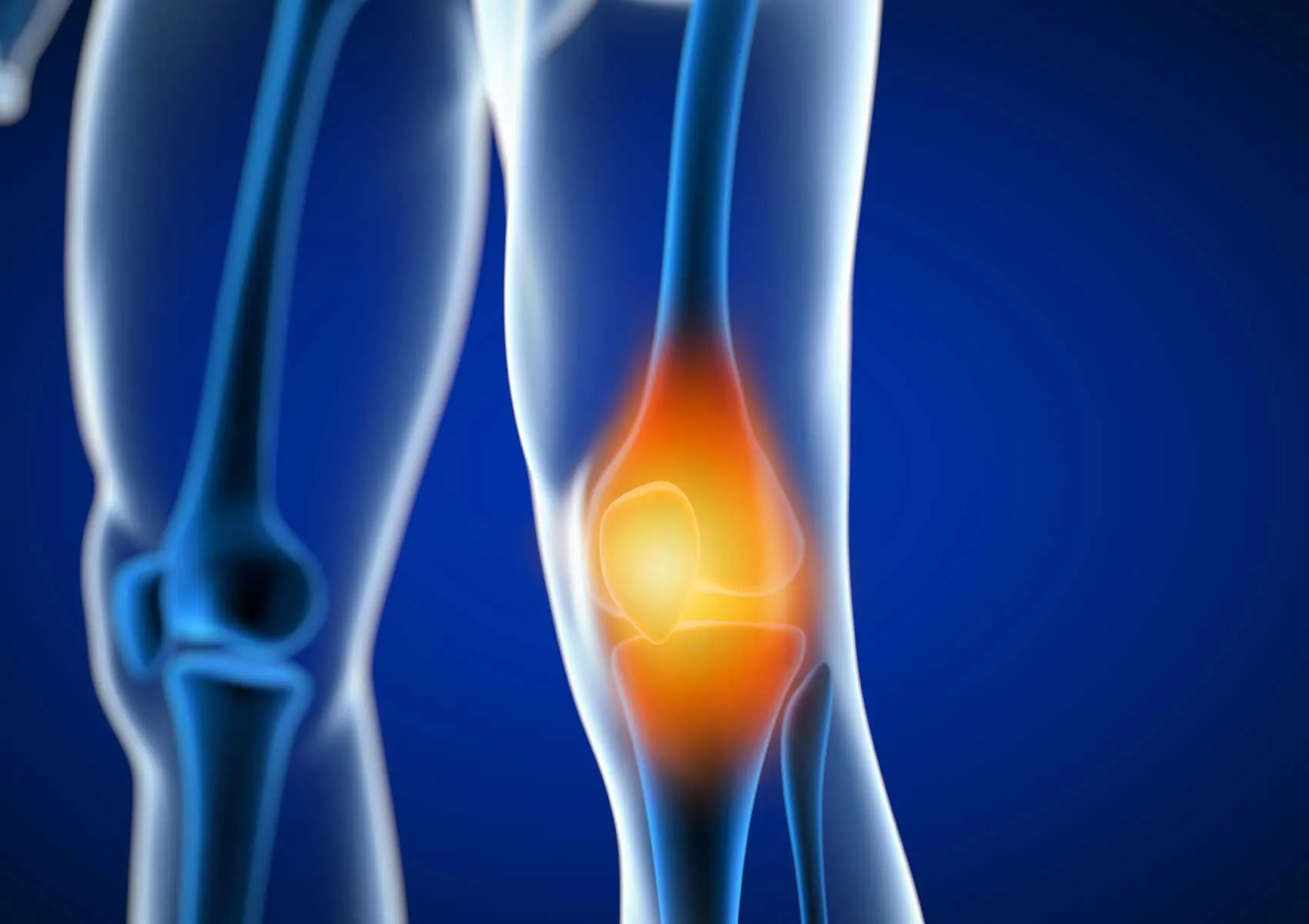
Meniscus Root Repair: Protect Your Knee s Long-Term Health
Meniscus root repair aims to extend the lifespan of the knee joint by preserving the meniscus's shock-absorbing function.
Knee joint health is essential for anyone who wants to maintain an active lifestyle. Meniscus injuries, frequently seen in athletes and physically active individuals, can lead to serious joint problems if left untreated. Among these injuries, meniscus root repair holds a special place as one of the most effective surgical solutions developed to protect the long-term health of the knee. Unlike standard meniscus surgeries, this method aims not to sacrifice the meniscus but to restore its function by reattaching it to its original position.
Meniscus root tears occur when the meniscus detaches from its attachment point on the bone, causing a complete loss of the meniscus’s shock-absorbing ability. This damage disrupts load distribution within the knee joint and accelerates cartilage wear. In this article, we will explore what meniscus root repair entails, how it is performed, and why it is crucial for the future health of your knee.
What is the Meniscus and What Does It Do?
Menisci are crescent-shaped fibrocartilaginous structures located between the thigh bone (femur) and shinbone (tibia) in each knee. Each knee has two menisci—medial (inner) and lateral (outer). Their primary role is to evenly distribute load across the joint, absorb shock, and contribute to joint stability. Menisci protect the articular cartilage from excessive wear, helping to prevent premature osteoarthritis.
For the meniscus to perform its function fully, it must be firmly anchored to the bone at points called the “meniscus roots.” Understanding the meniscus structure and root connections is essential.
What is a Meniscus Root Tear?
A meniscus root tear refers to a rupture where the meniscus attaches to the tibial bone at the root area. This disrupts the meniscus’s integrity and eliminates the “hoop stress” that enables it to distribute loads effectively. As a result, the meniscus can extrude outside the joint (meniscal extrusion) and lose its shock-absorbing capacity. This leads to direct transfer of load to the cartilage surfaces and rapid progression of cartilage damage.
Root tears can occur either due to sudden trauma or degenerative changes over time. In diagnosis and treatment planning, the role of meniscus root repair is distinct among meniscus tear treatment options. Below is an example of root tear visualization on MRI scans.
What is Meniscus Root Repair and How Is It Performed?
Meniscus root repair surgically reattaches the torn meniscus root to its anatomical site on the bone. This is typically performed arthroscopically—a minimally invasive technique—using a small camera and specialized tools inserted into the knee. The surgeon cleans the tear site and secures the meniscus root to the bone through tunnels drilled in the tibia with strong sutures. This procedure restores meniscus function.
For detailed surgical information, please visit meniscus root repair surgery. For an overview of the arthroscopic surgery process, see knee arthroscopy procedure.
Differences Compared to Standard Meniscus Surgeries
Traditional meniscus surgery (meniscectomy) usually involves trimming and removing the torn segment. While this relieves pain in the short term, it reduces meniscal tissue, increasing the risk of osteoarthritis over time. Meniscus root repair focuses on preserving and restoring the tissue. This approach aligns closely with principles of arthroscopic cartilage repair.
Who is a Suitable Candidate for Meniscus Root Repair?
Not all meniscus tears are repairable; however, identified root tears are prioritized for repair. Patients who generally qualify for meniscus root repair include those with:
- Minimal or no advanced osteoarthritis
- An active lifestyle
- Normal or correctable limb alignment
- Adequate meniscus tissue quality for suturing
Postoperative Recovery and Rehabilitation
Recovery following successful surgery is as important as the operation itself. To allow the meniscus root to heal firmly to the bone, weight-bearing may need to be limited or partial for approximately 4–6 weeks. Use of crutches and a knee brace is standard during this period.
The rehabilitation program focuses on restoring range of motion and strengthening muscles. This requires a disciplined approach similar to anterior cruciate ligament (ACL) rehabilitation protocols. For more details, see our content on sports injury rehabilitation.
Long-Term Benefits and Scientific Evidence
The primary benefit of meniscus root repair is its “joint-saving” effect. Research shows patients receiving root repair develop less osteoarthritis and score higher on functional assessments compared to those undergoing meniscectomy.
In some cases, biological treatments like PRP and stem cell therapy may support healing. For non-surgical management options, visit non-surgical knee treatments.
With correct patient selection and meticulous surgery, meniscus root repair is one of the most evidence-based options to preserve your knee’s future. Early diagnosis and appropriate treatment planning are vital for a painless and active life.
The content on this website is provided for informational purposes only and does not constitute professional medical advice, diagnosis, or treatment. If you have any health concerns or are considering starting a new treatment, you should consult a qualified healthcare professional or authorized medical institution. Do not delay seeking medical care based on information obtained from this site. The information presented is based on general medical knowledge and scientific sources but may not be tailored to your individual health condition.
FAQ
-
What is meniscus root repair and why is it important?
Meniscus root repair is a surgical procedure that fixes tears at the root area where the meniscus attaches to the bone. This repair is crucial to maintain the shock-absorbing function of the meniscus in the knee, helping to prevent arthritis and support long-term knee health. Always consult a specialist for medical advice.
-
How does meniscus root repair differ from standard meniscus surgery?
Standard meniscus surgeries often involve removing the torn portion (meniscectomy), whereas root repair aims to preserve the entire meniscus. Root repair restores the meniscus’s natural structure and biomechanical function, optimizing load distribution in the knee and protecting the joint from degeneration.
-
Who is a candidate for meniscus root repair surgery?
This surgery is typically recommended for younger, active patients who have a tear at the meniscus root and experience symptoms like knee locking or pain. Your suitability for the procedure will be determined after a thorough evaluation by your doctor.
-
What is the recovery process like after surgery?
Recovery after meniscus root repair usually involves immobilizing the knee in a brace for a period, followed by physical therapy. The time to full recovery and return to sports varies depending on the individual's condition and the surgeon's protocol, often taking several months. Following your doctor’s instructions is essential.
-
What are the long-term benefits of meniscus root repair?
Meniscus root repair reduces the risk of early knee osteoarthritis, improving knee function and quality of life. This allows patients to return to daily activities and sports without pain. Long-term outcomes can vary between individuals; always consult reliable medical sources.