
Femoroacetabular Impingement (FAI): Symptoms, Diagnosis, and Treatment
Femoroacetabular impingement (FAI) occurs when abnormal contact between the bones of the hip joint leads to damage, potentially causing arthritis if left untreated.
Femoroacetabular impingement is a mechanical disorder arising from a mismatch between the femoral head and the pelvic socket in the hip joint. Commonly referred to as FAI in medical literature, this condition is frequently seen in athletes and physically active individuals. If not detected early, femoroacetabular impingement can lead to cartilage damage and labral tears, setting the stage for long-term joint complications.
This abnormal contact in the hip joint causes pain and movement restrictions that negatively impact daily activities. Patients often report deep pain in the groin area. Gaining detailed knowledge about femoroacetabular impingement is the first step toward planning an appropriate treatment strategy. This guide will review the causes, symptoms, and current treatment approaches based on scientific evidence.
What Is Femoroacetabular Impingement?
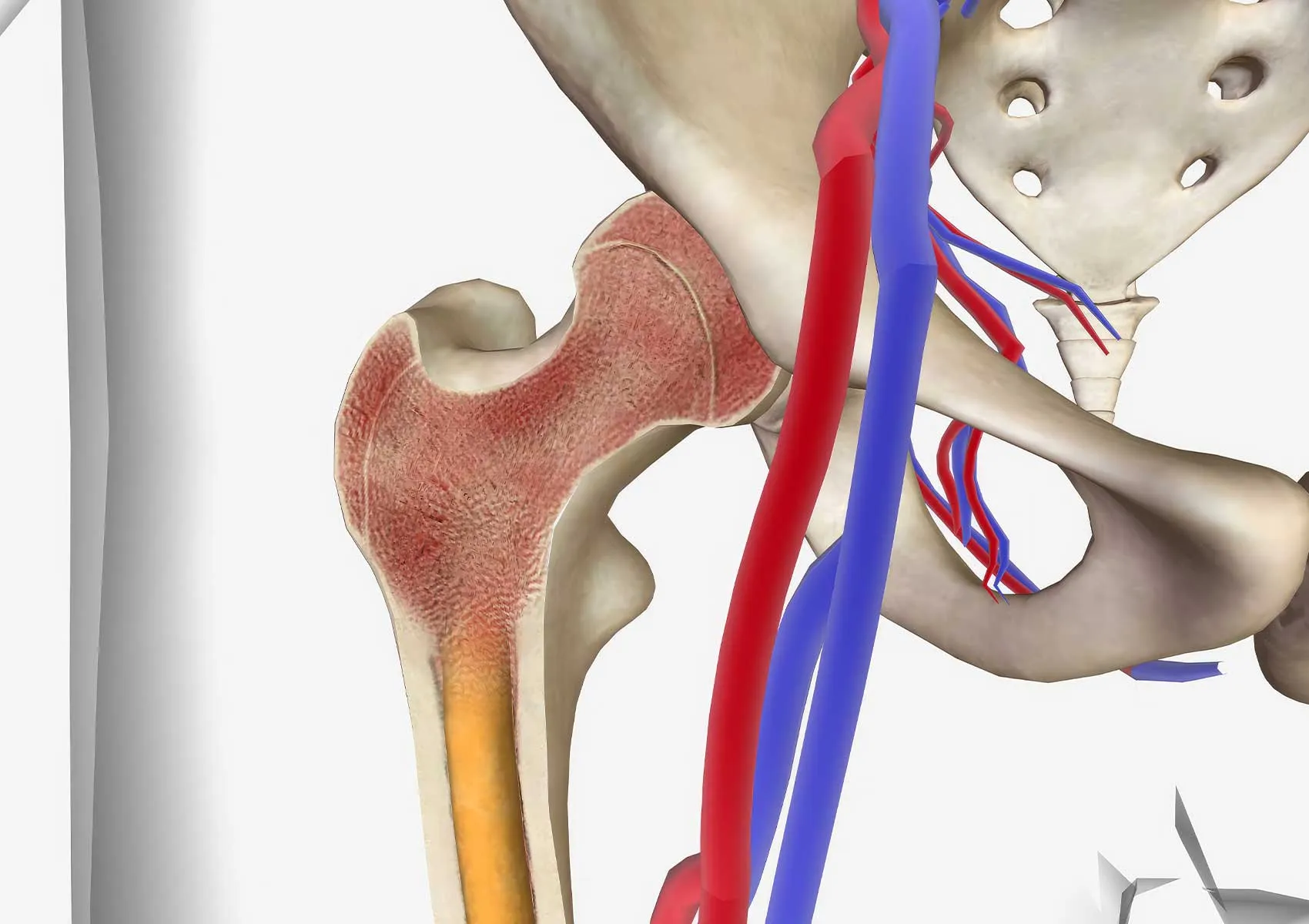
Femoroacetabular impingement occurs when structural abnormalities of the hip bones (femoral head and acetabulum) cause them to rub against each other during movement. Normally, these structures fit together seamlessly; however, bone overgrowths or shape irregularities lead to impingement. This damages the cartilage and the ring-shaped labrum that cushions the joint.
This condition is typically classified into three types: Cam (bump), Pincer (cup), and Mixed. It is among the most common mechanical problems within hip joint disorders and impingement syndromes. Understanding its mechanism and types is essential for evaluating treatment options.
Impingement affects not only bone but also soft tissues, with labral tears often occurring as a direct consequence. Awareness of hip anatomy and labral tears can help patients better understand the source of their pain.
Symptoms of Hip Impingement Syndrome
The hallmark symptom is pain localized in the groin or the side of the hip. This discomfort often worsens after prolonged sitting, driving, or physical activity. Some patients describe placing their hand in a "C" shape over their hip, termed the "C sign."
Other frequent complaints include restricted motion, difficulty squatting, and clicking or catching sensations in the joint. These symptoms can significantly reduce quality of life. Observations on the impact of hip impingement on daily living show many patients reduce or cease sports participation.
Accurate symptom assessment is critical during diagnosis, as hip pain may be confused with conditions like lumbar disc herniation. Hence, differentiating hip pain from lumbar radiculopathy is a crucial step toward correct diagnosis.
How Is Femoroacetabular Impingement Diagnosed?
Diagnosis begins with a detailed medical history and physical examination. Physicians perform specific provocative tests, such as the FADIR test, to assess hip joint range and reproduce pain. Positive test results raise suspicion of impingement.
Imaging plays a vital role in confirming diagnosis. X-rays provide essential information on bony abnormalities (Cam or Pincer lesions). For detailed evaluation of cartilage and labral damage, Magnetic Resonance Imaging (MRI) or MR arthrography may be required.
Treatment Options for FAI
Treatment is personalized according to the patient’s age, symptom severity, cartilage damage, and activity goals. Generally, options are divided into non-surgical (conservative) and surgical interventions.
Conservative Treatments
Mild cases or patients unsuitable for surgery initially undergo conservative management. This includes modifying activities, using anti-inflammatory medications (NSAIDs), and physical therapy. Physical therapy focuses on strengthening muscles around the hip to reduce joint load. Home exercise programs play a significant role in this process.
Surgical Options and Hip Arthroscopy
Surgery is considered if conservative measures fail or there is significant bone deformity. Hip arthroscopy is currently the gold standard. For detailed insights, patients can refer to more information on hip arthroscopy to prepare for the procedure. This minimally invasive technique shaves off bony overgrowths causing impingement and repairs any labral tears.
Surgical methods vary depending on extent of damage. Arthroscopic FAI treatment content includes both bone reshaping and soft tissue repair. In advanced cases or those with severe hip deformity, osteotomy techniques may be considered. Furthermore, if there is cartilage damage, arthroscopic cartilage repair techniques (such as microfracture) aim to preserve joint integrity.
Prevention and Risk Factors for FAI
Genetic predisposition and intense physical activity during development are considered risk factors for femoroacetabular impingement. Young athletes participating in sports that heavily load the hip—such as ice hockey, soccer, and basketball—are at higher risk.
Recognizing these risk factors and adjusting training programs accordingly is important. Raising awareness on exercise errors and preventive measures among athletes helps reduce hip problems caused by overload. Regular stretching and strengthening core muscles are effective strategies to maintain hip joint health.
Scientific Sources and References
The following international scientific references were utilized in preparing this content and for more in-depth information:
- American Academy of Orthopaedic Surgeons (AAOS)
- OrthoInfo - AAOS Patient Education
- Mayo Clinic
- National Institutes of Health (NIH)
- PubMed Database
This content is intended for general informational purposes only and does not substitute professional medical advice, diagnosis, or treatment. Always consult your physician or a qualified healthcare professional regarding any health concerns. Do not delay seeking medical care based on information provided on this website. The information presented is based on current scientific knowledge but may change as medical science advances.
FAQ
-
What is femoroacetabular impingement (FAI)?
FAI is a condition caused by abnormal contact between the head of the thigh bone (femoral head) and the socket of the pelvis (acetabulum). This impingement can damage the joint cartilage and labrum, leading to pain and restricted movement.
-
What are the main symptoms of FAI?
The most common symptoms include pain in the groin or front of the hip, especially after prolonged sitting, driving, or physical activity. You may also experience restricted movement, clicking sensations, or limping. It is important to consult a specialist for an accurate diagnosis.
-
How is femoroacetabular impingement diagnosed?
Diagnosis is made based on the patient’s symptoms, physical examination, and imaging techniques such as X-rays and MRI. X-rays reveal bone abnormalities, while MRI helps assess damage to the labrum and cartilage.
-
What treatment options are available for FAI?
Treatment options include conservative approaches like rest, medication, and physical therapy, as well as surgical methods such as hip arthroscopy. The appropriate treatment depends on the severity of the condition and the patient’s individual situation, as determined by a specialist.
-
What happens if FAI is left untreated?
If untreated, femoroacetabular impingement can lead to progressive damage of the hip joint cartilage and increase the risk of developing hip osteoarthritis over time. Therefore, it is important to see an orthopedic specialist as soon as symptoms are noticed.