
Cartilage Stem Cell Therapy: Science and Applications
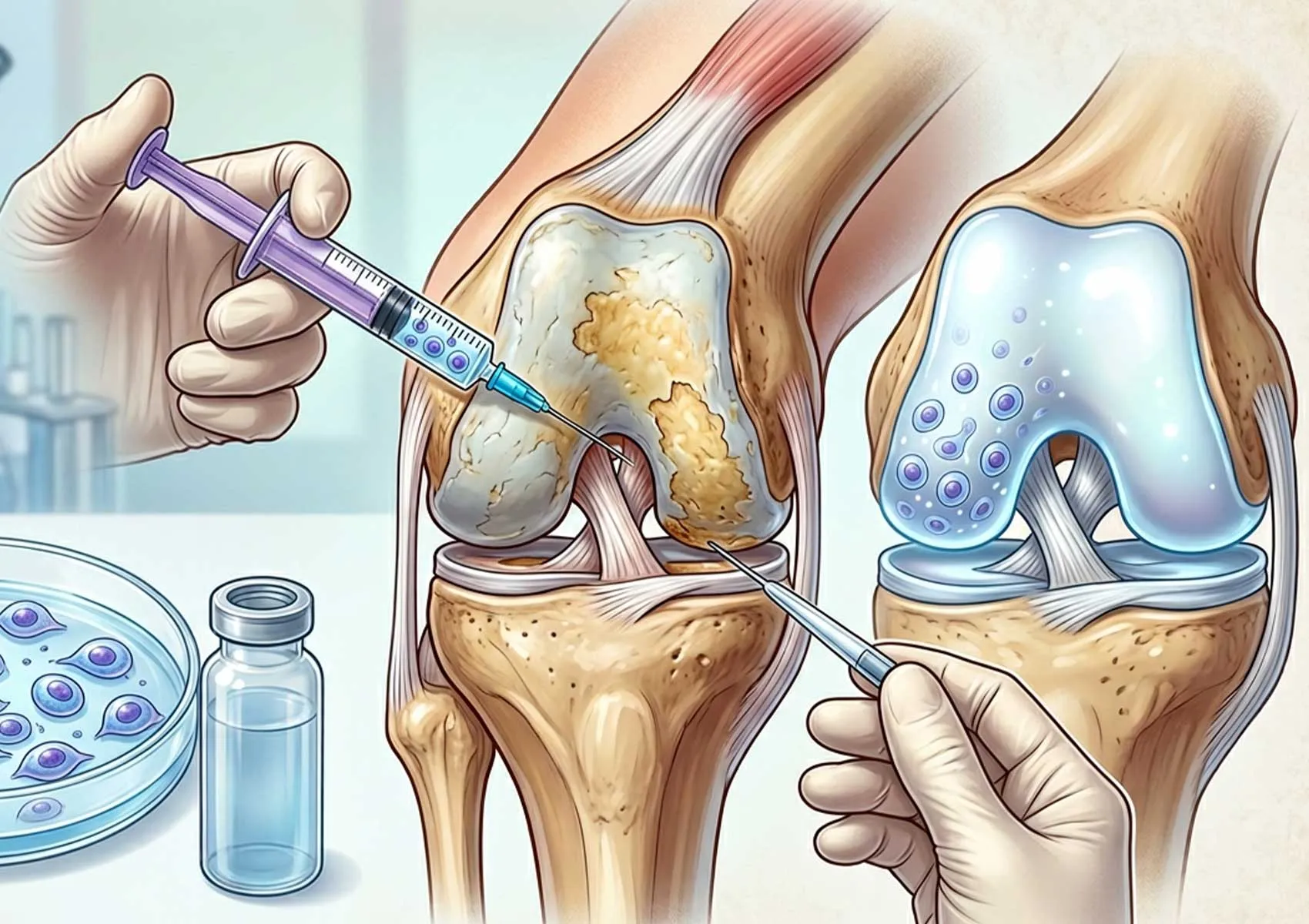
Cartilage stem cell therapy is a biological approach used to support the repair of damaged joint tissues.
Cartilage stem cell therapy is a modern regenerative medicine practice in orthopedics aimed at preserving joint health and supporting the repair of damaged tissues. Wear, trauma, or age-related changes in joints can lead to pain and limited mobility, significantly reducing quality of life. Stem cell therapies present a biological solution that can be considered before surgery or alongside surgical treatment.
Joint cartilage has a limited capacity for self-repair. Therefore, when damaged, the body’s natural mechanisms struggle to fully heal the tissue. For more extensive information on cartilage injuries and treatment options, visit our cartilage diseases and treatment methods page. This article explores the scientific basis, applications, and details of cartilage stem cell therapy.
What Is Cartilage Stem Cell Therapy?
Cartilage stem cell therapy involves directing the body’s regenerative cells to damaged areas to promote tissue healing. It is particularly used in early-stage osteoarthritis and traumatic cartilage injuries to slow or repair tissue loss.
Why Does Cartilage Tissue Need Regeneration?
Joint cartilage, called "hyaline," is avascular (lacking blood vessels). The absence of blood vessels limits nutrient supply and impairs self-repair after injury. Even small damages can progressively widen, leading to permanent joint surface damage and osteoarthritis.
Biological Properties of Stem Cells
Stem cells are primitive cells capable of differentiating into various specialized cell types and self-renewing. Mesenchymal stem cells used in orthopedics can transform into cartilage, bone, muscle, and connective tissue cells. They also exert paracrine effects by releasing signals that suppress inflammation and stimulate tissue repair. These features make them key players in knee cartilage regeneration processes.
Treatment Process: How Are Stem Cells Obtained and Applied?
Stem cell treatment uses autologous cells taken from the patient’s own body, ensuring safety. The procedure is performed under sterile conditions and expert supervision. For detailed information on the stem cell and PRP therapies offered at our clinic, please visit our cellular therapies PRP and stem cell treatment page.
Stem Cell Sources: Bone Marrow and Adipose Tissue
The most common sources of stem cells in orthopedic treatments are bone marrow and adipose tissue.
- Bone Marrow: Usually harvested with a fine needle from the iliac crest (pelvic bone). Contains cells with high potential for cartilage repair.
- Adipose Tissue: Taken via liposuction-like methods from the abdomen or thigh. Allows collection of a larger volume of stem cells.
Application Methods: Injection and Surgery
Prepared stem cell concentrate can be administered by two main methods:
1. Injection: Delivered directly into the joint under ultrasound or fluoroscopy guidance in a clinic or operating room setting.
2. Surgical Application: Placed in damaged cartilage areas using carriers known as scaffolds during arthroscopic (minimally invasive) or open surgery.
When Is Cartilage Stem Cell Therapy Considered?
This therapy may not be suitable for every patient. Ideal candidates are those with cartilage damage that has begun but where joint structure is not fully compromised. For more details, see our article on stem cell treatment in cartilage damage.
Use in Knee, Hip, and Shoulder Joint Injuries
The knee joint, as a weight-bearing joint, is the most common site for cartilage damage, but successful results are also seen in the hip and shoulder joints. Stem cell applications in conditions such as labral tears and early osteoarthritis in the hip can help reduce pain and preserve function. More information on hip joint diseases is available on our site.
Sports Injuries and Early-Stage Osteoarthritis
In athletes, stem cell therapy can accelerate healing in cartilage damage, meniscal tears, and ligament injuries. This approach is part of sports injuries and treatments aimed at optimizing recovery time to return to play. It also shows more effectiveness in early-stage osteoarthritis compared to advanced degenerative cases usually seen in older adults.
Scientific Basis and Clinical Research
Research in regenerative medicine is rapidly expanding evidence for the efficacy of stem cells in cartilage repair. Compared to other biological therapies like PRP (platelet-rich plasma), stem cells are considered to have a stronger regenerative potential. Understanding the scientific basis of PRP therapy can clarify differences between the two treatments.
Findings from Clinical Studies
Numerous clinical trials indexed by the National Institutes of Health (NIH) and PubMed report reductions in pain scores and improvements in joint function following stem cell injections. It is important to view the therapy as supportive based on scientific evidence rather than a “miracle cure.”
Comparative Evaluation with PRP
While PRP utilizes growth factors present in blood, stem cell therapy employs living cells with the ability to differentiate and repair tissues. Sometimes stem cell therapy is combined with PRP treatment in the hip joint for enhanced effect.
Recovery Process and Possible Risks
Post-treatment management is as important as the procedure itself. Biological healing requires time and patience. Rehabilitation protocols may vary when combined with surgical cartilage repair techniques. More on arthroscopic cartilage repair is available on our site.
Recovery Time and Physiotherapy Support
Patients are generally discharged the same day after injection and can resume daily activities shortly thereafter. However, returning to strenuous sports requires a waiting period to allow tissue healing. Physiotherapy plays a vital role in maintaining joint mobility and strengthening muscles as part of the treatment.
Possible Side Effects and Precautions
Using the patient’s own tissue minimizes the risk of allergic reactions. The most common side effects include transient pain and swelling at the injection site. Infection risk is minimal with sterile techniques. Any unexpected symptoms should prompt immediate consultation with a healthcare provider.
Cartilage stem cell therapy, when conducted with proper patient selection and by experienced specialists, is a valuable option to preserve joint health. Treatment decisions should be made together with your physician following thorough examination and imaging studies.
The content is provided for informational purposes only and includes general medical information. Diagnosis and treatment should be determined by a healthcare professional after a personal examination. The information on this site does not substitute for professional medical advice, diagnosis, or treatment. Always consult your physician or a qualified healthcare provider with any questions regarding your health, and do not delay seeking necessary care.
FAQ
-
What exactly is cartilage stem cell therapy?
Cartilage stem cell therapy is a biological method that uses the patient’s own stem cells to repair or regenerate damaged joint cartilage. It is typically used for cartilage injuries in joints such as the knee, hip, or shoulder. For detailed information, please consult a specialist.
-
Who is this treatment suitable for?
It is generally suitable for patients with cartilage damage who have not yet developed advanced osteoarthritis. Your doctor will determine if the treatment is appropriate for you based on a thorough examination and imaging results. Please consult a specialist.
-
How are stem cells obtained from the body and administered?
Stem cells are usually collected from the patient’s bone marrow or fat tissue using specialized techniques. The harvested cells are then prepared in a laboratory and administered to the damaged cartilage area either by injection or surgical intervention. Please consult a specialist to determine the appropriate method.
-
What is the recovery process like, and what potential risks are involved?
Recovery varies by individual but typically ranges from several weeks to a few months and is supported by physical therapy. Potential risks include infection, pain, or bruising at the injection site. Please discuss all risks with your doctor.
-
What is the success rate of cartilage stem cell therapy?
The success rate depends on factors like the patient’s age, the extent of cartilage damage, and the type of stem cells used. Scientific studies report positive outcomes in terms of pain reduction and improved function in carefully selected patients. For specific success rates, please consult your doctor.