
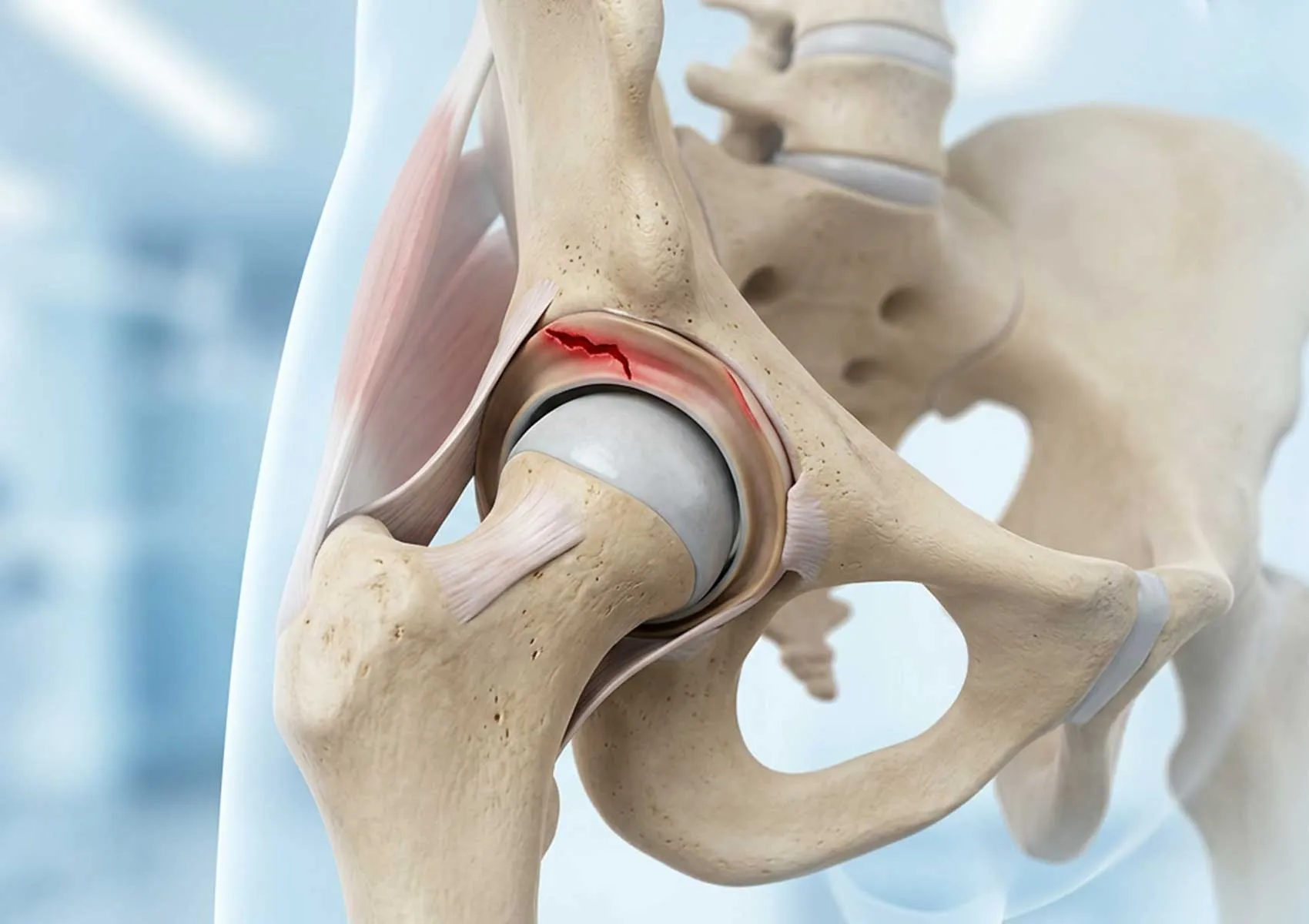
Hip Labrum Tear Symptoms: Expert Guide
Symptoms of a hip labrum tear typically include pain concentrated in the groin area and a sensation of mechanical catching.
The hip joint is one of the largest and most weight-bearing joints in the human body. Damage to the labrum, a key structure that stabilizes the hip, can lead to significant pain that restricts daily activities. Symptoms of a hip labrum tear are typically described by patients as sharp pain around the groin or a distinctive discomfort often referred to as a "C"-shaped pain sensation. While frequently seen in athletes and physically active individuals, labrum tears can occur at any age due to structural abnormalities.
Labrum tears may progress silently or can provoke sudden mechanical symptoms triggered by specific movements. Patients often complain of deep, difficult-to-localize hip pain. Early detection and accurate diagnosis are essential to protect the cartilage and reduce the risk of osteoarthritis development. This guide provides a comprehensive look at the signs, causes, and diagnostic approach to hip labrum tears.
What Is the Hip Labrum and Its Function?
The hip labrum is a ring of fibrocartilage that surrounds the rim of the acetabulum (the socket of the pelvis). It acts as a seal to help hold the femoral head firmly in place within the socket and traps synovial fluid, supporting cartilage nutrition. The primary function of the labrum is to enhance joint stability and evenly distribute load across the hip.
Damage to the labrum compromises this sealing effect, disturbing joint mechanics. For a deeper understanding, visit our page on hip anatomy and labrum tears. Labrum tears may result from traumatic events or develop gradually from structural issues like femoroacetabular impingement (FAI) or hip dysplasia causing microtraumas over time.
What Are the Symptoms of a Hip Labrum Tear?
The clinical presentation of a labrum tear varies per individual. Symptoms can range from mild discomfort to severe pain. The hallmark sign is mechanical pain that worsens with activity. Although overlapping with other hip joint conditions, labrum tears have some distinct features.
Common symptoms include:
Groin Pain
Most patients report pain localized to the groin area, which may radiate to the lateral or posterior hip regions (gluteal area). This symptom is often identified by patients placing their hand over their hip in a "C" shape, a characteristic referred to as the "C-sign."
Pain usually intensifies during prolonged standing, sitting, or walking. It tends to lessen at rest but may not completely resolve.
Catching and Locking Sensations in the Hip
The torn labral tissue can become trapped within the joint space, leading to mechanical symptoms. Patients might experience a catching or clicking sound while walking or moving the leg into certain positions. Occasionally, the joint may temporarily lock.
Limited Range of Motion and Stiffness
Individuals with a labrum tear may experience reduced mobility in the hip joint. Internal rotation (turning the thigh inward) or flexion (bringing the leg toward the torso) can be painful and restricted. Stiffness, especially after long periods of inactivity such as in the morning, is common and can interfere with everyday tasks like dressing or tying shoelaces.
When Do Symptoms Usually Occur?
Symptoms tend to be aggravated by specific activities and positions. Athletes involved in sports requiring abrupt twisting and bending—such as soccer, ice hockey, ballet, or martial arts—commonly report increased pain. However, symptoms can also appear in more sedentary individuals.
Common everyday triggers include:
- Prolonged Sitting: Especially during long drives or desk work, which compresses hip flexors and intensifies pain.
- Climbing Stairs: Increased load on the hip aggravates symptoms.
- Rotational Movements: Twisting the leg while the torso remains stationary can compress the torn labrum.
Symptoms of hip impingement often overlap with labrum tear signs because impingement is a common cause of labrum damage.
Conditions That Can Mimic Hip Labrum Tear Symptoms
Hip and groin pain are not exclusive to labrum tears. Accurate diagnosis requires careful differential assessment. The most common overlapping or associated condition is Femoroacetabular Impingement (FAI) syndrome. FAI results from structural abnormalities of the hip bones and, if untreated, can cause labrum tears. For more information, see femoroacetabular impingement symptoms.
Other conditions with similar symptoms include groin hernias, athletic pubalgia, iliopsoas tendonitis, lumbar disc herniation, and hip osteoarthritis. Therefore, symptom management with analgesics alone is not sufficient; identifying the underlying cause is essential.
When Should You Consult a Specialist?
If hip pain persists for several days and does not improve with rest, seek medical evaluation. Immediate orthopedic consultation is recommended if:
- Sudden severe hip pain limiting weight-bearing.
- Hip pain that disrupts sleep at night.
- Recurrent locking or giving way sensation of the joint.
- Accompanying swelling or color changes in the groin with pain.
Following specialist assessment, minimally invasive procedures such as hip arthroscopy might be considered. Early intervention enhances the success of joint-preserving surgeries.
Diagnostic Process: How Is a Hip Labrum Tear Diagnosed?
Diagnosis starts with a detailed patient history and physical exam. The physician will perform provocative maneuvers (e.g., FADIR test) to elicit pain. However, imaging is key to confirmation.
X-ray: Used initially to detect bone abnormalities (FAI, dysplasia), though the labrum itself is not visible on X-ray.
Magnetic Resonance Imaging (MRI) and MR Arthrography: These are the gold standards for visualizing labrum tears because the labrum is soft tissue. MR arthrography, involving contrast injection into the joint, has high sensitivity as supported by authorities like the Mayo Clinic and AAOS.
Once diagnosed, treatment options such as physical therapy, injections, or surgery are evaluated. For surgical cases, hip arthroscopy treatment approaches are prioritized. Patient age and cartilage status influence criteria for joint-preserving surgery patient selection. In some cases, biological therapies like PRP and stem cell treatments may support healing.
This content is provided for informational purposes only and does not constitute medical advice. The information presented herein is not a substitute for professional medical diagnosis or treatment. If you have symptoms of a hip labral tear or any other health condition, you should consult an orthopedic and traumatology specialist or an authorized healthcare provider for proper diagnosis and treatment. Although the information on this site is based on current scientific data, each patient's condition is unique and treatment must be tailored individually. Do not delay seeking medical care based on the information provided.
FAQ
-
What is a hip labrum tear?
The hip labrum is a ring of cartilage that surrounds the hip joint and provides stability. A labrum tear occurs when this ring is damaged due to trauma, structural issues, or repetitive movements. Accurate diagnosis requires evaluation by a specialist.
-
What are the symptoms of a hip labrum tear?
Common symptoms include pain in the groin area, clicking or catching sensations in the hip, a feeling of locking, and limited movement. Pain often worsens with activities like sports or prolonged sitting.
-
Where is the pain felt in a hip labrum tear?
Pain is typically felt in the groin (inguinal) region. In some cases, it may radiate along the side and back of the hip, following the hip curve, a pattern sometimes called the "C-sign." The pain can intensify during bending and twisting motions.
-
How is a hip labrum tear diagnosed?
Diagnosis starts with a physical exam and specific provocative tests. Definitive diagnosis is usually made with Magnetic Resonance Imaging (MRI) or MR arthrography involving contrast injected into the joint. These methods provide detailed images of soft tissue damage.
-
Can people with a labrum tear engage in sports?
This depends on the size of the tear and severity of symptoms. Patients who can tolerate the pain may be able to perform controlled exercises, but some activities could worsen the injury. Always seek approval from a doctor and physiotherapist before returning to sports.