
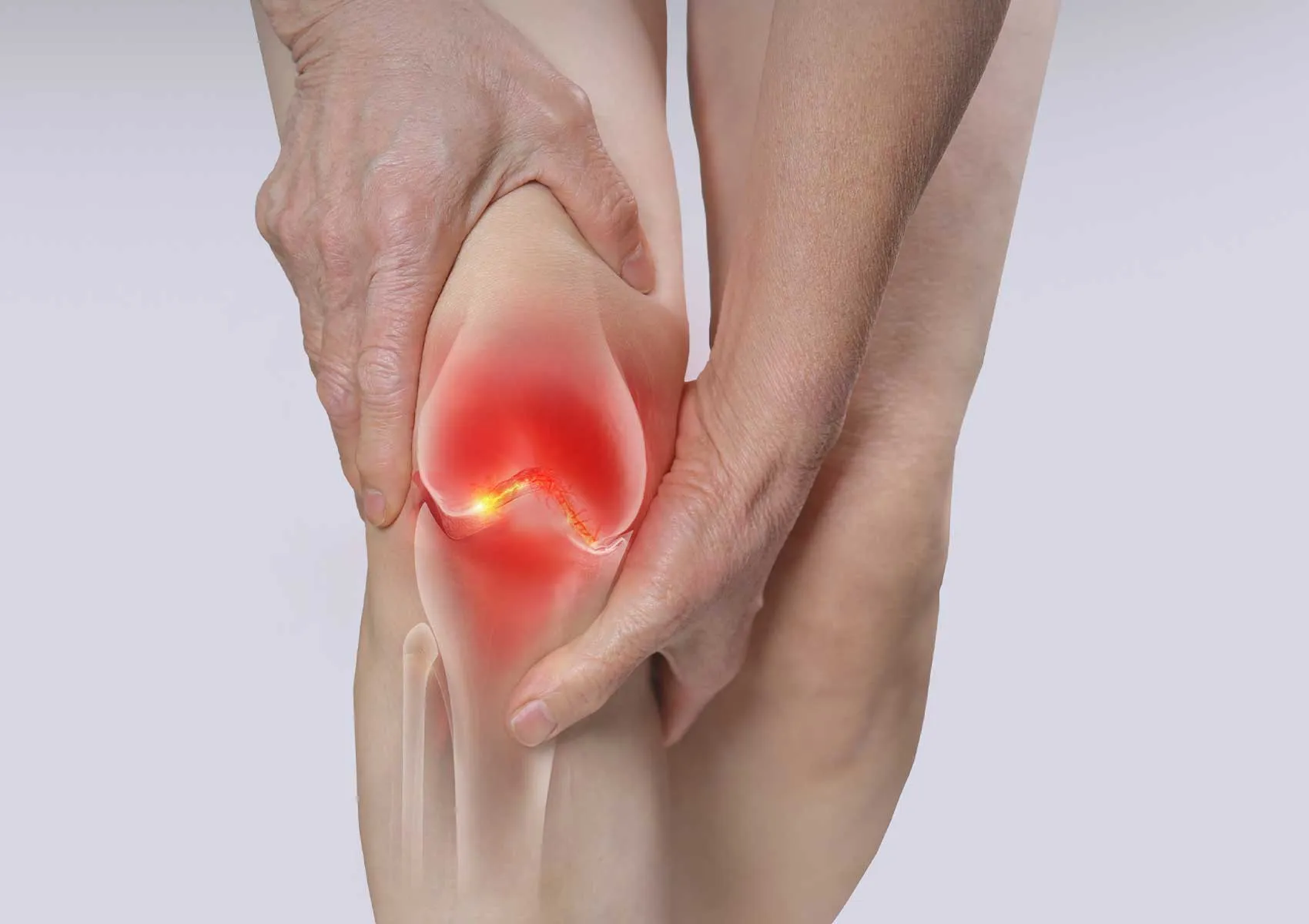
Cartilage Damage Treatment: Current Methods and Advances
Treatment of cartilage damage is planned according to the severity of the injury, using conservative, regenerative, or surgical methods.
Cartilage tissue, a fundamental component of joint health, is vital for smooth mobility. Due to its limited self-repair ability, injuries to this tissue can lead to significant orthopedic issues. Cartilage damage treatment today encompasses various approaches aimed at improving patients’ quality of life, leveraging advances in technology and medical methods. This ranges from conservative therapies to regenerative medicine applications and advanced surgical techniques, all tailored to individual needs. This article examines the causes, symptoms, and current treatment options for cartilage damage in detail.
What is Cartilage and What Are Its Functions?
Cartilage is a smooth, slippery, and pressure-resistant connective tissue that covers joint surfaces. Its primary role is to prevent bone-on-bone friction during joint movement and to absorb and distribute loads borne by the joint. Because it lacks blood vessels and nerves, cartilage relies on diffusion from the synovial fluid for nutrition. This feature limits its natural ability to heal after injury. For more detailed information, please visit the cartilage diseases and treatment options page. Healthy cartilage is essential for painless, fluid joint movements.
What Causes Cartilage Damage?
Cartilage damage can result from a single cause or a combination of several factors. Stresses on the joint and biological changes can disrupt cartilage integrity.
Trauma and Sports Injuries
Sudden twisting motions, falls, or direct blows to the joint can cause acute cartilage damage. This is common among athletes and often occurs alongside ligament injuries. For example, during anterior cruciate ligament (ACL) injury and treatment, accompanying cartilage damage is frequently observed. Untreated traumatic injuries may lead to more severe joint problems over time.
Aging and Degenerative Processes
Over years of joint use, cartilage undergoes wear and tear, characterized by decreased water content and loss of elasticity. This degenerative change forms the basis of osteoarthritis.
Genetic and Rheumatic Factors
Some individuals have a genetic predisposition that increases cartilage vulnerability. Inflammatory joint diseases such as rheumatoid arthritis can damage cartilage structure. Biomechanical imbalances in the joint may also cause excessive load on specific areas, leading to localized cartilage loss.
What Are the Symptoms of Cartilage Damage?
Symptoms vary depending on the size, location, and severity of the damage. The most common symptom is joint pain that worsens with activity and improves with rest. Other signs include swelling, catching or locking sensations, and limited range of motion. Loose cartilage fragments inside the joint (joint mice) may cause sudden locking. In advanced cases, pain may persist even at rest, accompanied by joint noises (crepitus).
How is Cartilage Damage Diagnosed?
Diagnosis begins with a detailed patient history and physical examination. The physician assesses joint range of motion, painful points, and ligament stability. Imaging studies confirm the diagnosis and determine the severity. X-rays show bone structures and joint space, while Magnetic Resonance Imaging (MRI) provides detailed views of cartilage, edema, and soft tissue injuries. Sometimes, diagnostic arthroscopy may be necessary.
Treatment Methods for Cartilage Damage
The treatment plan depends on the patient’s age, activity level, and the size and location of the lesion. The modern medical goal is to relieve pain and restore joint function. For an overview of treatments, visit the regenerative medicine and stem cell therapies page.
Conservative Approaches: Physical Therapy and Medications
In mild cases or patients unsuitable for surgery, non-invasive methods are preferred initially. Medication is used to reduce pain and inflammation, and physical therapy strengthens muscles around the joint. Non-surgical knee treatments such as load modification and bracing may also be recommended, detailed in nonsurgical knee treatments.
Regenerative Medicine Techniques: PRP and Stem Cells
Biological therapies aim to support cartilage repair by harnessing the body’s healing potential. Among these methods, Platelet-Rich Plasma (PRP) and stem cell therapies are prominent. Stem cell treatment for cartilage damage may stimulate tissue regeneration in damaged areas. Similarly, PRP therapy for sports injuries concentrates healing factors at injury sites.
Surgical Interventions: Microfracture, Arthroscopy, OATS
Surgical approaches are considered for patients who do not respond to conservative or biological treatments or have advanced damage. Arthroscopic cartilage repair is a minimally invasive technique that enhances patient comfort. The microfracture procedure stimulates bone marrow to form cartilage-like tissue. Mosaicplasty (OATS) involves transplanting cartilage-bone cylinders from healthy to damaged areas. Minimally invasive treatment in athletes can reduce time to return to sport. In cases of joint alignment disorders, osteotomy and cartilage preservation surgeries redistribute joint loads, explained further at what is osteotomy and indications.
Is Cartilage Regeneration Possible?
Due to the avascular nature of cartilage, regeneration is more challenging than in other tissues. The body typically repairs damage with fibrous cartilage, a weaker tissue than the original hyaline cartilage. However, advances in biotechnology and cartilage repair techniques (stem cells, tissue engineering products, etc.) aim for closer restoration to native tissue. The success of these treatments strongly depends on early intervention and appropriate rehabilitation.
How Can Cartilage Damage Be Prevented?
Protecting cartilage health is more effective than treatment. Maintaining an ideal body weight reduces joint stress. Regular, controlled exercise strengthens muscles around the joints, protecting cartilage. Balanced nutrition and adequate hydration are also important for cartilage metabolism.
In conclusion, cartilage damage treatment requires a multidisciplinary approach. Individuals experiencing pain and functional loss should consult a specialist promptly to safeguard future joint health.
This content is provided for informational purposes only and does not constitute medical advice. The information presented here is not a substitute for professional medical diagnosis or treatment. Always consult a physician or qualified healthcare provider regarding any health concerns. Do not delay or discontinue medical care based on the information provided on this site.
FAQ
-
What causes cartilage damage?
Cartilage damage can result from various factors such as aging, trauma, overuse, genetic predisposition, or rheumatic diseases. Increased stress on the joints can also contribute to the damage.
-
Can cartilage damage fully heal?
Cartilage has a limited ability to regenerate on its own. However, modern regenerative medicine and surgical techniques can support cartilage repair or new cartilage formation. Complete healing depends on the extent of the damage and the treatment applied, so consultation with a specialist is advised.
-
What are the treatment options for cartilage damage?
Treatment varies depending on the severity of the damage. It may include conservative approaches (medication, physical therapy) or surgical procedures (arthroscopy, microfracture, stem cell therapy, PRP, autologous chondrocyte implantation). Please consult your doctor for a personalized treatment plan.
-
Is stem cell therapy effective for cartilage damage?
Stem cell therapy shows promise in repairing cartilage. Injected stem cells can encourage the formation of new cartilage tissue or help heal existing cartilage. While research supports its potential, suitability should be assessed by a medical professional on a case-by-case basis.
-
Is it possible to prevent cartilage damage?
While it may not always be possible to completely prevent cartilage damage, certain measures can reduce the risk. Maintaining a healthy weight, engaging in regular and balanced exercise, avoiding excessive joint strain, and paying attention to nutrition are important. Consulting a specialist at the onset of any joint pain is crucial for early diagnosis.