
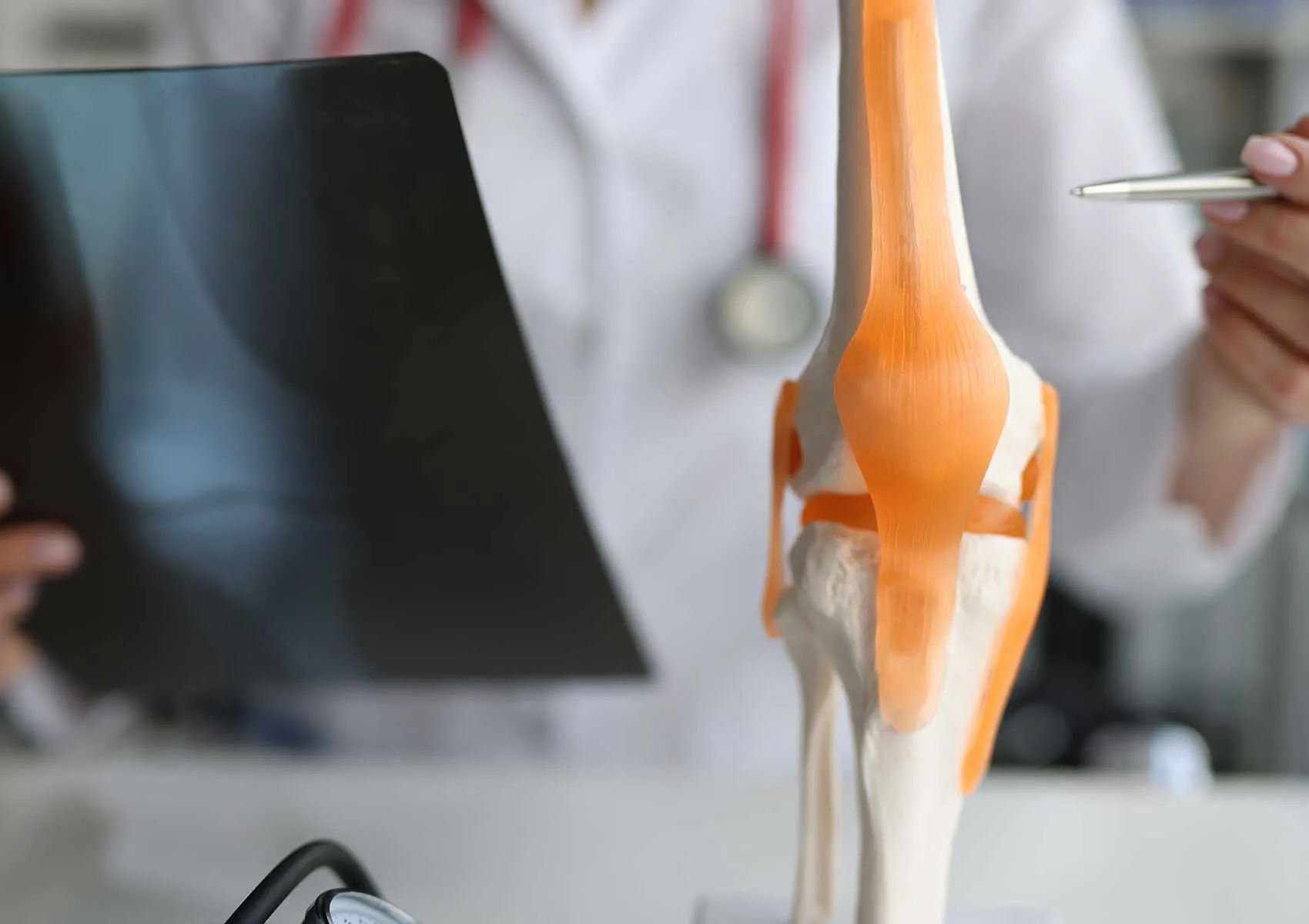
ACL Surgery: Complete Guide to Procedure and Recovery
Anterior cruciate ligament (ACL) reconstruction is a surgical procedure aimed at restoring knee stability.
Anterior cruciate ligament surgery is a surgical treatment applied when the ACL, one of the key stabilizers of the knee joint, is torn or ruptured. This injury frequently occurs in athletes and active individuals, causing symptoms such as knee instability and giving way. The surgery aims to restore the knee’s functional capacity and enable patients to return to their active lives.
The ACL plays a critical role in knee anatomy, and treatment options are tailored based on the patient’s age, activity level, and expectations. Modern techniques using arthroscopic methods are standard in the surgical approach, followed by a disciplined rehabilitation process. This guide addresses every stage from diagnosis to recovery in detail.
What is Anterior Cruciate Ligament Surgery?
ACL surgery involves replacing the torn or nonfunctional ligament with a new tissue graft (reconstruction). The ACL connects the thigh bone (femur) to the shin bone (tibia), controlling forward movement and rotation of the knee. ACL surgery in sports injuries is preferred to restore knee stability and prevent further damage to structures like the meniscus or cartilage.
The decision for surgery is influenced by the patient’s lifestyle. Surgery is generally the standard approach for professional athletes or individuals involved in demanding knee activities. However, conservative treatments may be considered in older patients with a sedentary lifestyle.
Symptoms of ACL Tear or Rupture
ACL injuries often occur due to sudden twisting, stopping, or an impact to the knee. Many patients report hearing a "pop" sound at the moment of injury, followed by severe pain and rapid swelling.
Common symptoms include:
- Severe Pain: Intense pain during and after injury, limiting movement.
- Swelling: Noticeable swelling in the first few hours post-injury (hemarthrosis).
- Limited Movement: Difficulty fully bending or straightening the knee.
- Instability or ‘Giving Way’ Sensation: Feeling like the knee collapses under weight.
These symptoms, combined with risk factors for ACL injury, can indicate significant ligament damage. Ignoring these signs may lead to additional injuries such as meniscal tears.
Diagnosis and Imaging Methods
An accurate diagnosis is crucial for appropriate treatment. The process begins with a thorough physical exam by a specialist, including tests like the Lachman, anterior drawer, and pivot shift to evaluate ligament integrity and knee laxity.
Imaging studies complement physical findings to inspect other knee structures:
1. Magnetic Resonance Imaging (MRI): Best for soft tissues, clearly showing ligament tears and the extent of injury, as well as associated damage.
2. X-ray: Used to assess bone structure and exclude fractures; it cannot visualize ligaments but can detect bone avulsion injuries.
Preoperative Preparations
Once surgery is decided, preparation begins. The goal in this phase is to reduce swelling and restore as much range of motion as possible. Preoperative physical therapy (prehabilitation) can accelerate post-surgical recovery within ACL injury treatment protocols.
Key pre-surgery considerations for patients:
- Smoking cessation, as smoking impairs tissue healing.
- Adjusting blood-thinning medications under medical supervision.
- Performing simple exercises to strengthen muscles around the knee.
- Planning for caregiver support and home arrangements for surgery day and recovery.
How is ACL Surgery Performed?
Currently, ACL reconstruction is routinely performed arthroscopically. This minimally invasive approach uses small incisions to insert a camera and surgical tools into the knee. It results in less tissue trauma, reduced pain, and faster recovery compared to open surgery.
Key stages of the procedure:
1. Diagnostic Arthroscopy: Using a camera to inspect the knee, identifying and addressing meniscal and cartilage injuries.
2. Graft Preparation: Preparing the replacement tissue, often the patient’s hamstring tendons (autograft). Patellar tendon or donor tissue (allograft) may also be used when appropriate.
3. Tunnel Creation: Drilling tunnels into the femur and tibia bones to anchor the graft.
4. Graft Placement and Fixation: Passing the graft through the tunnels and fixing it with screws or buttons.
For detailed technical information, refer to our ACL surgery procedure guide.
Postoperative Recovery Process
Recovery depends not only on surgical success but also on patient compliance. Healing typically spans 6 to 9 months, with a full return to sport possibly taking up to one year.
- First 2 Weeks: Focus on controlling swelling and pain, using crutches and cold therapy.
- Weeks 2–6: Increasing knee range of motion and improving walking.
- After 3 Months: Progression to running and more dynamic exercises. Procedures like post-ACL PRP therapy may support tissue healing during this phase.
Role of Physical Therapy and Rehabilitation
Physical therapy is integral to ACL surgery recovery. The postoperative rehabilitation program is customized to regain muscle strength, improve balance (proprioception), and enable safe return to sports.
Main rehabilitation goals:
- Restoring Range of Motion: Achieving full knee bending and straightening.
- Muscle Strengthening: Especially focusing on quadriceps and hamstrings. More details are available in our muscle strengthening guide after ACL surgery.
- Return to Sport: Transitioning to sport-specific training after functional testing. The return to sport process post-ACL surgery should not be rushed.
Risks and Possible Complications
As with any surgery, ACL reconstruction carries certain risks, though complications are uncommon. Patients should be aware of potential issues including infection, bleeding, nerve or vessel injury, and anesthesia-related risks.
Orthopedic-specific risks include:
- Knee Stiffness (Arthrofibrosis): Restricted knee movement due to inadequate rehabilitation.
- Graft Failure: Non-integration or re-rupture of the new ligament.
- Persistent Pain: Anterior knee pain or tenderness around fixation sites.
In some cases, bone deformities may impact surgical outcomes; here, the relationship between ACL surgery and osteotomy is assessed. Concurrent injuries such as meniscal root tears may be addressed simultaneously via ACL surgery combined with meniscal root repair to enhance joint preservation.
The content on this website is for informational purposes only and does not constitute medical advice. The information provided here is not a substitute for professional medical examination, diagnosis, or treatment. Always consult a physician or qualified healthcare provider regarding any health concerns. Do not delay or discontinue treatment based on information found on this website. Diagnosis and treatment should be individually determined by a healthcare professional after proper consultation.
FAQ
-
When is anterior cruciate ligament surgery necessary?
Anterior cruciate ligament (ACL) tears usually occur due to sports injuries and can cause knee instability. The decision for surgery is made by a specialist based on the patient's age, activity level, and the extent of damage to the knee. Surgery is typically recommended for active athletes and individuals who experience a feeling of looseness in the knee.
-
How is anterior cruciate ligament surgery performed?
ACL surgery is generally performed arthroscopically; small incisions are made in the knee to insert a camera and specialized instruments to replace the torn ligament with a new graft. The graft usually comes from the patient's own body (autograft) or from a donor (allograft). This method allows for faster recovery.
-
How long is the recovery process after surgery?
Recovery time varies between individuals but usually takes 6 to 9 months and requires intensive physical therapy. During this period, protecting the knee and strictly following the advice of doctors and physiotherapists is crucial. Full return to sports depends on regaining complete muscle strength and balance.
-
Why is physical therapy important?
Physical therapy plays a critical role in restoring knee mobility, strength, and stability after surgery. A properly supervised exercise program is essential for a successful recovery and return to sports. The success rate of surgery may decrease without appropriate physical therapy.
-
What are the risks of surgery?
As with any surgical procedure, ACL surgery carries risks such as infection, bleeding, nerve damage, knee stiffness, or graft failure. It is recommended to discuss these risks in detail with your doctor before the surgery. The risk of complications is low when the surgery is performed by experienced specialists.