
Hip Labrum Tear Surgery: Recovery and Rehabilitation
The recovery process after labrum tear surgery progresses gradually depending on the extent of the surgery and the patient’s physical condition.
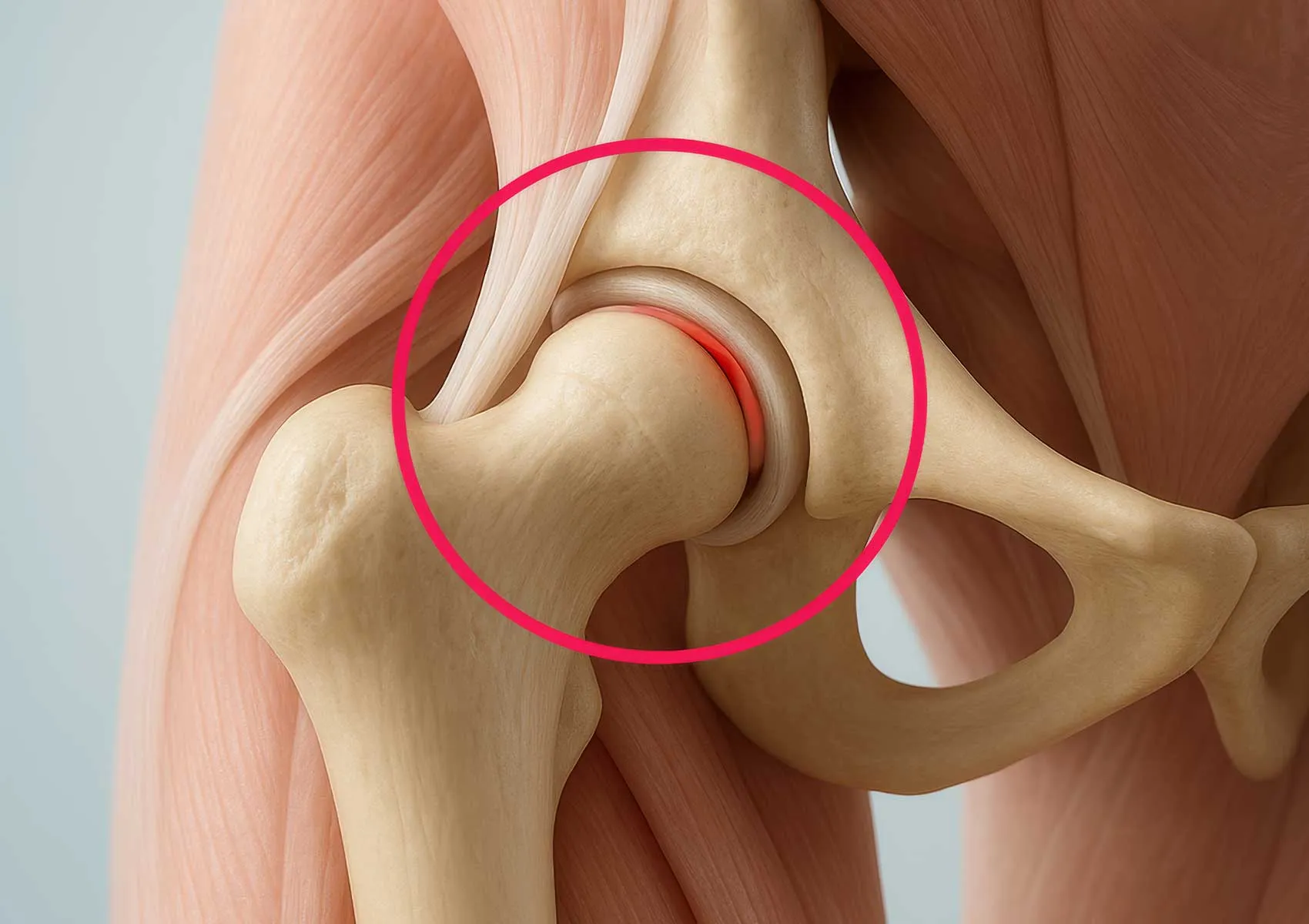
The labrum is a cartilage structure that helps stabilize the hip joint and protect its surfaces. Repair of the labrum is now successfully performed using advanced arthroscopic techniques. Regardless of surgical success, the recovery period following labral tear surgery and compliance with the rehabilitation program are the most critical factors affecting the final outcome. Patients need patience and close collaboration with their physician and physiotherapist during this process.
The recovery timeline is designed according to the biological phases of tissue healing. This process involves not only wound healing but also regaining strength in the muscles around the hip, restoring neuromuscular control, and safely returning to everyday activities. Modern approaches to hip joint disorders and treatments aim to help patients regain mobility as soon as possible without exceeding safe limits.
Overview of the Recovery Process After Labral Tear Surgery
Recovery varies depending on the surgery type (labral repair alone or combined with bone reshaping) and preoperative patient condition. Generally, the process spans from an acute protection phase to return to sports. Understanding these stages helps manage patient expectations.
When labral repairs are performed alongside treatment for femoroacetabular impingement, different weight-bearing restrictions may apply due to bone healing considerations. Adherence to the rehabilitation protocol from the first day is critical for long-term joint health.
Week 1: Early Postoperative Phase
The first week after surgery is when the body responds to surgical trauma, and swelling and pain are controlled. The main goal in this phase is to protect the repaired tissue and suppress inflammation. Patients usually mobilize with crutches and are instructed to avoid movements that exceed specified joint angles.
Pain Management and Medication
Postoperative pain is a natural part of tissue healing but must be managed for a comfortable recovery. Analgesics and anti-inflammatory medications prescribed by your doctor should be taken regularly to break the pain cycle. Effective pain control enables more productive early exercises.
Ice Application and Rest
Ice therapy is essential in the first week to reduce swelling and ease pain. Apply ice packs 4-6 times daily for 15-20 minutes each, avoiding direct skin contact. Proper positioning of the leg during rest is important; hip hyperflexion should be avoided, and patients should follow recommended postures.
Weeks 2-6: Early Rehabilitation Phase
From the second week, as tissue healing progresses, rehabilitation intensifies. This phase involves progressing from passive to actively assisted movements to prevent adhesions and muscle wasting.
Introduction to Physical Therapy
Under the supervision of a physical therapist, exercises aim to safely increase hip joint range of motion. Excessive strain on hip flexors is avoided while emphasizing gluteal muscle activation.
Daily Life Precautions
During this phase, modifying daily activities is crucial to protect the repaired labrum. There are specific guidelines for sitting, standing, dressing, and hygiene routines. Recommendations for maintaining quality of life while recovering from hip impingement include:
Weeks 6-12: Functional Rehabilitation
By the sixth week, most patients discontinue crutches and begin full weight-bearing walking. This stage focuses on correcting walking mechanics and increasing muscular endurance. Rehabilitation emphasizes balance and proprioception (joint position sense).
Patients may utilize aquatic exercises and stationary cycling but should avoid deep squats or sudden twisting motions that stress the labrum. The goal is to achieve a pain-free, normal gait in daily life.
Months 3-6: Preparing to Return to Sports
From the third month onward, recovery shifts toward more dynamic and sports-specific activities. The target is to regain 80-90% of the strength of the unoperated side. Light jogging on a treadmill may begin, but only under medical supervision.
A personalized program, adjusted according to hip arthroscopy indications and surgical details, will include gradual integration of jumping, directional changes, and acceleration-deceleration drills. If pain or swelling occurs, patients should revert to a previous stage and increase rest time.
Return to Sports Process and Criteria
Returning to sports depends not only on elapsed time but also meeting specific functional criteria. Typically, patients resume non-contact sports after 6 months and contact sports later. Thanks to arthroscopic surgery advantages, athletes can regain previous performance levels, but premature return may increase the risk of recurrence.
Potential Complications and Important Considerations
As with any surgery, complications after labral repair are rare but possible. Sudden severe pain, persistent swelling, numbness in the leg, or fever may signal infection or nerve injury. Noncompliance with rehabilitation can lead to re-tearing or joint adhesions.
Realistic expectations are important. Full recovery and peak performance may take up to a year in some cases. Regular physician evaluations and communication with the physiotherapist are key to a smooth recovery.
This content is provided for informational purposes only and does not constitute medical advice. Diagnosis and treatment must be determined by a healthcare professional based on an individual’s personal health condition. For any questions regarding your health or treatment decisions, please consult a qualified physician. The information presented here is not a substitute for professional medical evaluation or care. Do not delay seeking medical attention based on this content.
FAQ
-
How long does the recovery process take after labrum tear surgery?
Recovery varies by individual but typically ranges from a few weeks to several months. Full return to sports may take 6 to 12 months. The timeline depends on the type of surgery and rehabilitation involved. Please consult your specialist.
-
How is pain managed after surgery?
Post-surgery pain is managed with painkillers prescribed by your doctor. Applying ice, resting, and gentle exercises guided by a physiotherapist also help reduce pain. Share your pain levels with your doctor.
-
Why is physical therapy important after labrum surgery?
Physical therapy is essential to restore joint mobility, increase muscle strength, and learn proper body mechanics. It speeds recovery, lowers the risk of complications, and supports a safe return to sports. Follow your therapy plan closely.
-
When can I return to sports after surgery?
Returning to sports is a gradual process and usually takes 6 to 12 months. Do not start sports activities without approval from your physiotherapy team and doctor. A gradual return reduces the risk of re-injury.
-
What should I be careful about in daily life after labrum tear surgery?
During the initial period, avoid carrying heavy loads and sudden movements as advised by your doctor. Pay attention to your sitting, standing, and lying positions. Follow your physiotherapist’s recommendations and keep up with regular check-ups.