
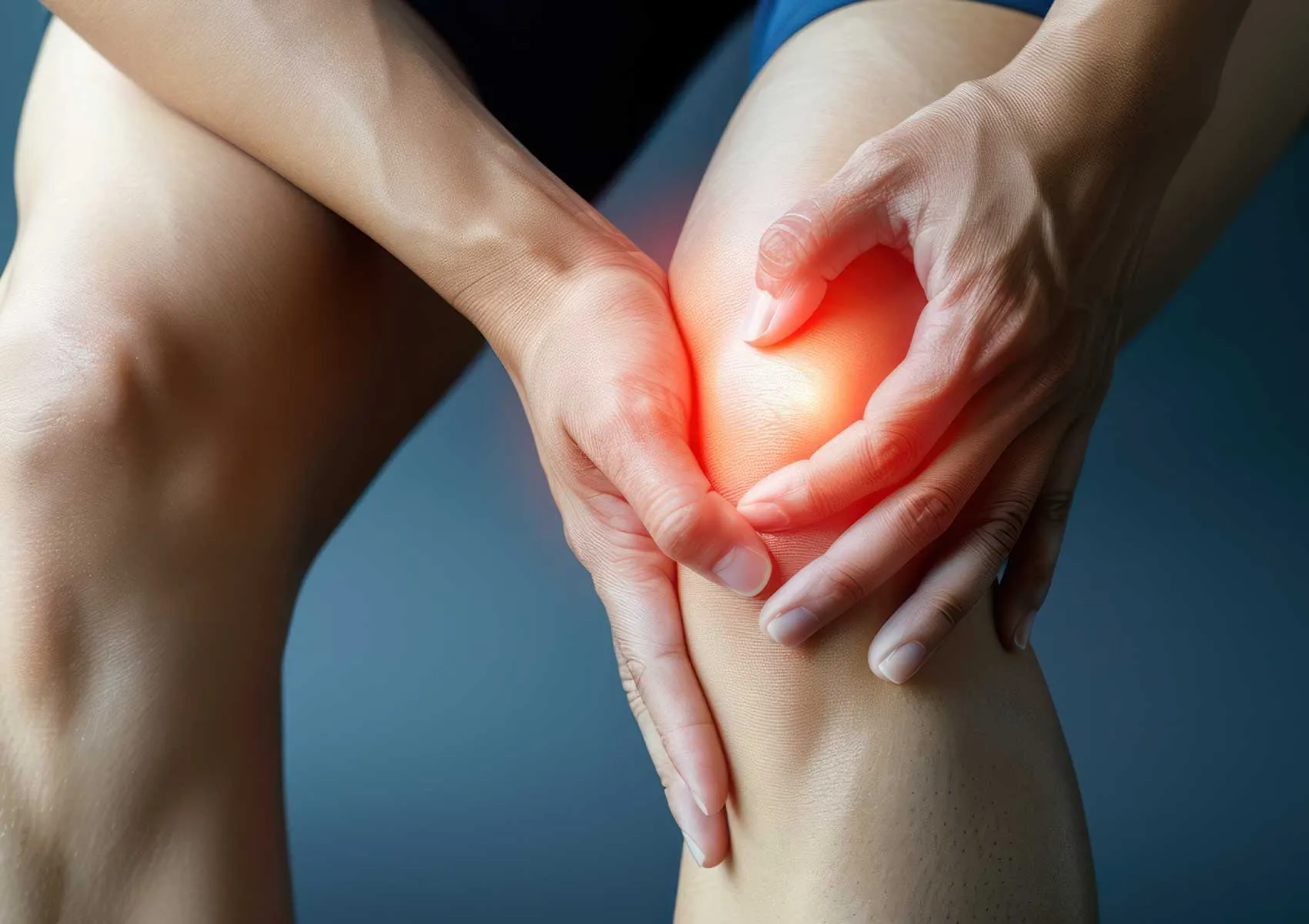
Meniscus Tear Treatment: Repair or Removal? A Scientific Guide
Meniscus tear treatment is planned based on the tear's type, location, and the patient's age, involving either repair (suturing) or removal (meniscectomy).
Meniscus tears, one of the most common knee joint issues, affect a broad population from active individuals to professional athletes. They present with symptoms such as pain, catching, locking, and swelling in the knee, which can notably reduce quality of life. Today’s meniscus tear treatment approaches are shaped according to the characteristics of the tear and patient expectations. Treatment options range from conservative measures like physical therapy to surgical interventions (repair or partial removal).
Patients often face the question: "Can my meniscus be repaired, or does it need to be removed?" This decision is critical for the long-term health of the knee. Scientific data demonstrate that each tear requires a personalized treatment protocol. For detailed information, you may consult our guide on meniscus tears and treatment options. In this article, we will analyze the differences, advantages, and indications of repair versus removal procedures.
What Is a Meniscus Tear?
Menisci are “C”-shaped cartilage structures located between the thigh bone (femur) and shin bone (tibia). Each knee contains two menisci—medial (inner) and lateral (outer)—playing vital roles in load-bearing, shock absorption, and joint stability. They ensure even distribution of forces on the knee joint and protect the joint cartilage from wear. Sudden twisting movements, trauma, or age-related degeneration can cause tears in these structures.
The mechanism and location of the tear are among the most important factors in determining the treatment method.
Types of Meniscus Tears and Diagnostic Methods
Meniscus tears are classified by their formation mechanism and tear geometry. Common tear types include longitudinal, radial, horizontal, bucket-handle, and complex tears. They are also divided by cause into traumatic (acute injury) and degenerative (wear over time). Traumatic tears mostly occur in athletes and younger individuals, whereas degenerative tears are more common in older adults.
Diagnosis begins with a detailed physical examination. Physicians assess pain and catching sensations using maneuvers like the McMurray and Apley tests. Magnetic Resonance Imaging (MRI) is the gold standard for confirming diagnosis and mapping the tear in detail. MRI reveals the tear’s size, location, and relation to the meniscus’s vascular zones. These data guide treatment planning.
Overview of Meniscus Tear Treatment Options
Treatment for meniscus tears must be individualized. Not every tear requires surgery; some cases improve with non-surgical methods, while mechanical blockages or tears unlikely to heal may require surgery. Treatment options fall into two main categories:
1. Conservative (Non-Surgical) Treatment: For small, stable tears located in the outer vascularized region (red zone), rest, ice, anti-inflammatory medication, and physical therapy may suffice.
2. Surgical Treatment: Arthroscopic surgery is considered when pain and functional loss persist, or mechanical symptoms like locking occur. Surgical procedures include meniscus repair (suturing), partial meniscectomy (removal), and specialized methods such as meniscus root repair.
Meniscus Repair (Suturing): Scientific Background and Procedure
Meniscus repair involves preserving the meniscus tissue by stitching the torn edges together. This method is particularly preferred in young patients with tears located in well-vascularized "red-red" or "red-white" zones. Preserving the meniscus helps maintain normal load distribution across the joint and may reduce the risk of osteoarthritis development.
Performed arthroscopically, the surgery uses special sutures or implants. Technically, it is more demanding and requires surgical expertise. Nevertheless, a successful repair preserves knee biomechanics and offers the most favorable long-term outcomes.
Meniscus Removal (Partial Meniscectomy): When Is It Necessary?
Partial meniscectomy is applied to tears with poor healing potential in the avascular "white zone" or to complex, fragmented tears. During this procedure, only the damaged and locking meniscus parts are removed, preserving as much healthy tissue as possible to maintain joint function.
This method is often selected for older patients, degenerative tears, or when repair likelihood is low. Patients typically return to daily activities faster after removal than repair. However, losing meniscus tissue partly increases joint load, potentially accelerating cartilage wear over time.
Repair or Removal? Key Factors in Decision-Making
Physicians consider multiple factors when determining treatment, as the decision directly affects current quality of life and future joint health. Key factors include:
- Tear Location: Tears in vascularized (red) zones are suitable for repair.
- Tear Type: Longitudinal tears are more repairable; complex or degenerative tears often require removal.
- Patient Age and Activity Level: Preserving the meniscus is prioritized in young, active individuals.
- Tear Chronicity: Fresh tears have higher repair success than chronic ones.
For detailed guidance on the necessity of meniscus surgery, visit our article on when meniscus surgery is required.
Recovery and Rehabilitation Protocols
Recovery varies significantly depending on the surgical approach. After meniscus repair, patients often require restricted weight-bearing and limited knee movement to allow tissue healing. Crutches and a knee brace may be used. Return to full sports activity may take 4 to 6 months. In contrast, after partial meniscectomy, patients can often bear weight almost immediately and usually resume daily activities within weeks.
Rehabilitation emphasizing strengthening the muscles around the knee is vital, as stronger muscles help offload the joint and support recovery.
Complementary and Alternative Treatments
In addition to surgery, some biological treatments support tissue healing. For example, studies on the effectiveness of PRP therapy suggest it may aid recovery in selected cases.
Patients with knee alignment issues may require an osteotomy procedure either as an adjunct or standalone treatment. Osteotomy redirects load from the damaged compartment to a healthier one, protecting the meniscus and cartilage. For advanced cases with widespread osteoarthritis, knee replacement surgery might be the most suitable option.
Related Injuries: ACL and Other Knee Conditions
Meniscus tears often coexist with other knee injuries, especially in sports trauma. The most common association is between anterior cruciate ligament (ACL) tears and meniscus injuries. In such cases, simultaneous treatment of both injuries may be necessary. More information on managing combined injuries can be found on our ACL injury treatment page.
The content on this website is intended for informational purposes only and does not constitute medical advice, diagnosis, or treatment. For any health-related questions, please consult a qualified healthcare professional. The information provided here is not a substitute for a medical examination by a physician. If you believe you are experiencing a medical emergency, contact your doctor immediately or go to the nearest healthcare facility.
FAQ
-
Can a meniscus tear heal on its own?
The potential for a meniscus tear to heal on its own depends on the type, size, and location of the tear. Small tears in the outer (red) zone may sometimes heal with rest, while larger or inner (white) zone tears usually require surgical intervention.
-
When is meniscus repair (suturing) preferred?
Meniscus repair is typically preferred for fresh tears in younger patients where the tissue has good blood supply. This approach aims to preserve meniscus tissue, supporting long-term knee health and reducing the risk of arthritis.
-
When is meniscus removal (cleaning) necessary?
Meniscus removal (partial meniscectomy) is performed when repair is not possible, such as with complex, fragmented, or degenerative tears. Only the torn and problematic part of the meniscus is removed to relieve symptoms.
-
How long is the recovery period after meniscus surgery?
Recovery time varies depending on the procedure. After meniscus removal, patients often return to normal activities within a few weeks, whereas after meniscus repair, full healing and return to sports may take 3 to 6 months due to tissue healing requirements.
-
Her zaman şart değildir. Küçük, mekanik takılma yapmayan ve ağrısı yönetilebilen yırtıklar fizik tedavi ve ilaçlarla tedavi edilebilir. Ancak büyük, kilitlenmeye neden olan ve yaşam kalitesini düşüren yırtıklarda cerrahi genellikle en etkili çözümdür.
Surgery is not always required. Small tears that do not cause mechanical locking and have manageable pain can be treated with physical therapy and medication. However, larger tears that cause locking and significantly affect quality of life often respond best to surgery.